Contents
- Broadening Convention Capacity to Satisfy International Demand
- The Las Vegas Convention Center Loop: Innovation in Mobility
- Integrated Resorts as Business Ecosystems
- Hospitality Sector Modernization and Workforce Development
- Diversifying Beyond Gaming
- Embracing Sustainability and Future-Oriented Design
- Strategic Marketing and Global Positioning
- Economic and Social Impact
- A City Reinvented Through Strategic Investment
Las Vegas has long been recognized as a global entertainment capital, but over the past decade it has strategically deepened its role as one of the world’s most powerful hubs for business tourism. Through sustained investment in convention facilities, transportation systems, digital connectivity, and integrated resort development, the city has reinforced its convention and hospitality sectors as central pillars of its economic growth strategy.
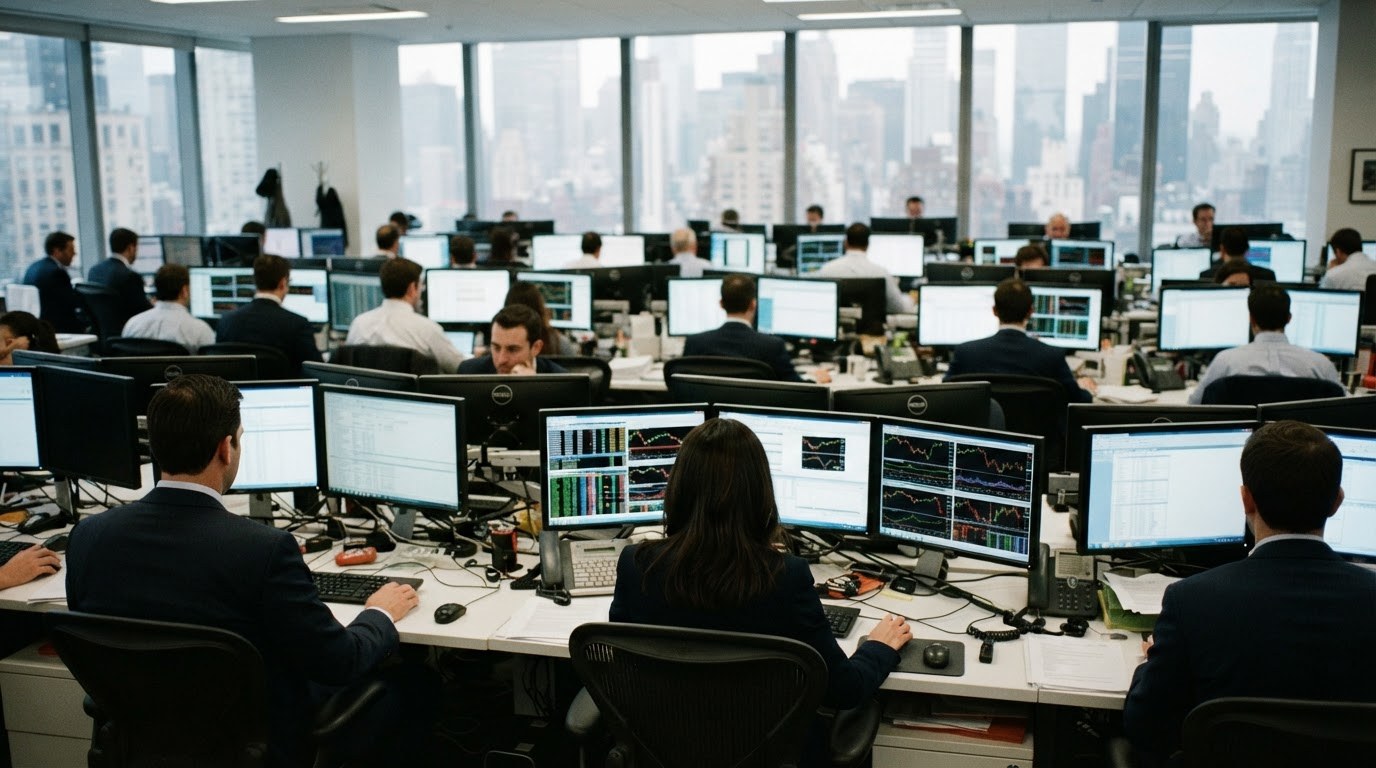
Corporate travel in Las Vegas goes far beyond merely supporting leisure tourism, functioning instead as a fundamental economic driver. Trade expositions, enterprise conventions, corporate incentive initiatives, and worldwide exhibitions generate steady, year-round demand, which ultimately balances hotel occupancy and broadens income streams outside of casino gaming. Furthermore, purposeful infrastructure enhancements have enabled the municipality to host larger, highly intricate gatherings while simultaneously elevating the total attendee journey.
Broadening Convention Capacity to Satisfy International Demand
One of the most significant developments has been the expansion and modernization of the Las Vegas Convention Center (LVCC). The multi-year expansion project added approximately 1.4 million square feet of new space, including a 600,000-square-foot exhibit hall. The project increased the total campus to roughly 4.6 million square feet, making it one of the largest convention centers in North America.
Crafted specifically to accommodate massive tech expos, medical summits, and global trade fairs, the expansion fulfills vital industry demands. Gatherings like CES, recognized globally as a premier consumer technology showcase, currently occupy nearly the entire venue. Thanks to this upgraded capacity, Las Vegas is capable of staging several large-scale conventions concurrently while maintaining exceptional service standards.
Beyond size, the modernization includes:
- Advanced digital infrastructure with high-density Wi-Fi and 5G capabilities.
- Energy-efficient building systems aligned with sustainability goals.
- Flexible meeting spaces adaptable to hybrid and broadcast-ready events.
These features are critical as business events increasingly incorporate livestreaming, remote participation, and data-driven engagement tools.
The Las Vegas Convention Center Loop: Innovation in Mobility
Transportation efficiency plays a crucial role in business tourism success. To address mobility challenges across its expansive convention campus, Las Vegas introduced the underground Convention Center Loop, an electric vehicle transportation system designed to move attendees quickly between halls.
The system significantly cuts down transit times during peak exhibition hours, thereby elevating the visitor experience and bolstering event scalability. Through the incorporation of cutting-edge mobility alternatives into its framework, the city illustrates how transit coordination can directly amplify convention competitiveness.
Complementing this development, Harry Reid International Airport keeps broadening its global connectivity and terminal capacity. Nonstop routes from strategic regions across Europe, Asia, and Latin America enhance Las Vegas’ standing as an international gathering hub.
Integrated Resorts as Business Ecosystems
Unlike many convention cities that separate exhibition facilities from hotel clusters, Las Vegas offers a uniquely integrated model. Major resort operators have invested heavily in meeting and conference space within their properties. Resorts such as The Venetian, MGM Grand, and Mandalay Bay each provide over one million square feet of meeting space alongside accommodations, dining, and entertainment.
This comprehensive ecosystem brings forth several benefits:
- Delegates can stay, meet, dine, and network within a single complex.
- Event organizers benefit from centralized logistics and security.
- Attendees experience a seamless blend of business and leisure.
The scope is immense. Before the pandemic, records indicate that Las Vegas welcomed upward of six million convention delegates every year. Corporate visitors generally spend considerably more per trip than vacationers, fueling elevated average daily room tariffs and more robust dining and beverage earnings.
Hospitality Sector Modernization and Workforce Development
Investment in business tourism infrastructure extends beyond physical space. Hotel renovations, technology upgrades, and workforce training programs reinforce service standards that global conferences demand.
Resorts have introduced smart room technologies, digital check-in systems, and app-based concierge services to streamline the guest journey. These improvements are especially relevant for time-sensitive corporate travelers.
Workforce development initiatives, often supported by public-private partnerships, focus on:
- Hospitality management training.
- Event logistics and technical production skills.
- Customer service excellence for international clientele.
A skilled and professional labor force guarantees that Las Vegas is fully equipped to handle intricate gatherings, from medical conferences needing protected digital networks to massive product debuts featuring advanced audiovisual requirements.
Diversifying Beyond Gaming
Historically associated with gaming revenue, Las Vegas has deliberately diversified its economic base. Convention and business tourism revenue now represents a substantial portion of overall visitor spending. Corporate events generate demand for hotel rooms during midweek periods, smoothing occupancy fluctuations that would otherwise depend heavily on weekend leisure travel.
This economic diversification bolsters stability. Whenever vacation tourism dips, major booked conventions generate steady income for hotels, transit providers, eateries, and related businesses.
Moreover, sectors such as technology, healthcare, automotive, and construction rely on annual trade shows in Las Vegas to conduct product launches, secure partnerships, and facilitate global networking. The city functions as a commercial marketplace where billions of dollars in deals are initiated or finalized.
Embracing Sustainability and Future-Oriented Design
Sustainability has become a defining factor in site selection for international conferences. Las Vegas has responded with investments in energy-efficient lighting, water conservation systems, and large-scale solar energy projects that power portions of the Strip and convention facilities.
Green building certifications and waste-reduction programs strengthen the city’s appeal to organizations with environmental commitments. Meeting planners increasingly evaluate destinations based on carbon footprint considerations, and infrastructure modernization positions Las Vegas competitively in this evolving landscape.
Strategic Marketing and Global Positioning
Infrastructure alone does not secure market leadership; coordinated marketing efforts are essential. The Las Vegas Convention and Visitors Authority actively targets international associations, rotating global congresses, and emerging industry sectors. Incentive programs and tailored hosting packages attract events that might otherwise rotate to cities in Europe or Asia.
By aligning marketing strategy with infrastructure capacity, Las Vegas ensures that newly built facilities are supported by strong event pipelines.
Economic and Social Impact
The ripple effects of business tourism investment extend well beyond hotels and convention halls. Construction projects generate employment, while recurring events sustain jobs in catering, logistics, security, technology services, and transportation.
Local suppliers, from audiovisual firms to exhibit builders, benefit from the steady cadence of large-scale conventions. Restaurants, entertainment venues, and retail centers experience increased foot traffic from business travelers who often extend their stays for leisure purposes.
This integrated economic model demonstrates how infrastructure spending can create a multiplier effect across an urban economy.
A City Reinvented Through Strategic Investment
Las Vegas illustrates how a destination historically defined by entertainment can reposition itself as a premier global business hub through deliberate infrastructure development. By expanding convention capacity, modernizing hospitality assets, integrating advanced transportation solutions, and prioritizing sustainability, the city has reinforced the convention and hospitality sectors as engines of durable growth.
The transformation reflects a broader understanding that business tourism is not merely about hosting events; it is about constructing an ecosystem where innovation, commerce, and experience intersect. In doing so, Las Vegas continues to evolve from a leisure-driven destination into a sophisticated platform for global exchange, demonstrating how targeted investment in infrastructure can reshape both identity and economic trajectory.