Three years prior, the tranquil suburban area northwest of Denver, Colorado, experienced a destructive event known as the Marshall Fire. This wind-fueled inferno obliterated entire neighborhoods, forcing residents to flee and reshaping their lives permanently. Currently, those who lived through this disaster are offering their invaluable insights to support individuals in Los Angeles dealing with the repercussions of similar wildfire incidents.
Three years ago, the Marshall Fire devastated a quiet suburban community northwest of Denver, Colorado, leaving destruction in its wake. Entire neighborhoods were reduced to ashes as the wind-driven blaze tore through homes, displacing families and forever altering lives. Today, survivors of that tragedy are using their hard-earned lessons to help others grappling with the aftermath of wildfires in Los Angeles.
What eventually aided Glover in her recovery was not solely her own resilience, but also the support she received from individuals who had survived similar calamities. Those who lived through the Waldo Canyon Fire, which devastated Colorado Springs ten years prior, offered their stories and guidance, fostering a sense of unity and optimism. Currently, Glover, along with hundreds of other Marshall Fire survivors, is extending this support by aiding victims of recent wildfires in California.
Fostering connections among survivors
En enero de 2025, los incendios de Palisades y Eaton causaron estragos en Los Ángeles, arrasando hogares y obligando a numerosas familias a desplazarse. Julie DiBiase, residente de Boulder con conexiones en Colorado y California, comprendiendo las enormes dificultades que enfrentaban las víctimas, creó un grupo en Facebook denominado “De las Montañas a la Playa”. Este grupo pretendía ser un enlace entre los sobrevivientes del Incendio de Marshall y aquellos afectados por los incendios de California.
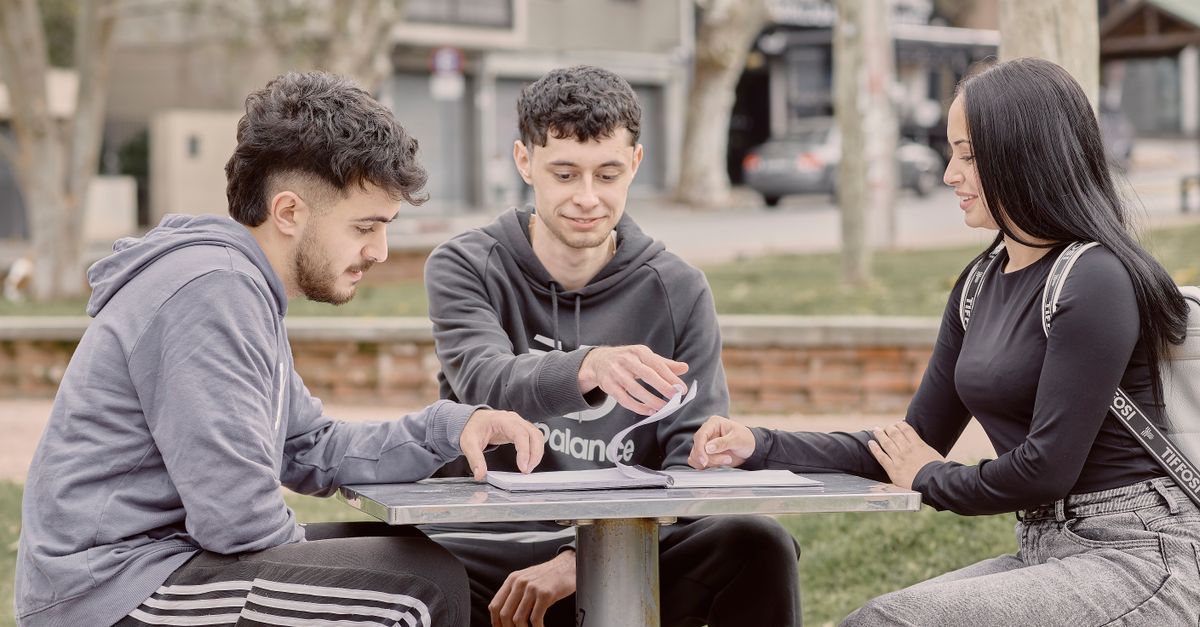
With over 1,400 participants, DiBiase’s group has turned into a crucial support system for wildfire victims. It offers more than just practical advice—it provides a community where survivors can relate to others who genuinely comprehend their struggles. “There’s a special kind of reassurance in speaking with someone who has faced similar challenges,” DiBiase noted. “It goes beyond exchanging resources; it’s about fostering empathy.”
Una de las integrantes del grupo, Anna Ballou, lo descubrió por casualidad mientras buscaba en línea orientación para enfrentar las secuelas de un incendio forestal. Aunque la casa alquilada de Ballou escapó de las llamas, quedó cubierta de hollín, cenizas y productos químicos utilizados en la extinción del fuego. Estaba preocupada por los posibles riesgos para la salud de su familia y la incertidumbre de habitar una vivienda que no les pertenecía.
Thanks to the group, Ballou was able to connect with survivors of the Marshall Fire who had encountered similar challenges. Their guidance was crucial, providing her with a clear plan for interacting with insurance providers, cleanup companies, and property owners. “Their experiences have made us much more knowledgeable about what actions to pursue,” Ballou shared.
Through the group, Ballou connected with Marshall Fire survivors who had faced similar issues. Their advice proved invaluable, offering her a roadmap for dealing with insurance companies, remediation firms, and landlords. “Because of their experiences, we’re much more informed about what steps to take,” Ballou said.
For individuals like DiBiase and Glover, assisting others has brought them a sense of purpose following their own traumatic experiences. DiBiase found motivation from another Facebook group founded by Marshall Fire survivor Meryl Suissa. Originally intended as a platform for direct exchanges between donors and survivors, Suissa’s group grew into a comprehensive resource for disaster recovery. Now, Suissa has modified the concept to aid California wildfire victims, offering guidance and gathering resources drawn from insights gained during the Marshall Fire.
Suissa highlighted the importance of community backing in the recovery from disasters. “A significant portion of the recovery effort is driven by individuals—your neighbors, nearby businesses, and local groups,” she mentioned. “It’s the personal, small-scale interactions that have the most profound impact.”
Her work goes further than just offering immediate support. Suissa is pushing for the creation of a central hub where disaster survivors can access trustworthy information and assistance. She imagines a system encompassing everything from updates on debris clearance to organizing donations, so survivors don’t have to face the recovery journey by themselves.
Reconstrucción con fortaleza
For Glover, reconstructing her home in Louisville, Colorado, turned into an opportunity to transform her anguish into a constructive endeavor. She decided to utilize fire-resistant and sustainable materials, like Colorado Earth’s EcoBlox, composed of earth and clay. Her aim was to build a residence that was eco-conscious and more resilient against potential future disasters.
“Cuando la gente escucha ‘casa de tierra’, piensa en algo poco convencional o excéntrico,” comentó Glover. “Pero quería demostrar que se puede construir un hogar hermoso y funcional que también sea sostenible y resistente al fuego.”
Glover is currently focused on modifying Earth home designs to comply with California-specific building codes, with the hope of encouraging others to explore similar strategies. Through sharing her experiences, she seeks to increase awareness about alternative construction methods that might lessen the effects of wildfires.
A community that remembers
A community that doesn’t forget
One of the recurring themes among survivors is the feeling of being forgotten. Natural disasters often dominate headlines in the immediate aftermath, but public attention quickly shifts to the next crisis. For survivors, however, the journey to recovery is long and arduous.
This communal spirit has been central to the survivor-to-survivor support networks forming after recent wildfires. Stretching from Colorado to California, these networks demonstrate that, despite facing tremendous loss, individuals can unite to reconstruct communities that are stronger and more resilient.
Mientras Glover sigue compartiendo sus experiencias y promoviendo prácticas de reconstrucción sostenibles, reflexiona sobre una enseñanza que escuchó en una ocasión: “Encuentra tu dolor, y encontrarás tu propósito.” Para ella, ese propósito se ha vuelto evidente—ayudar a otros a enfrentar los desafíos de la recuperación e inspirar esperanza para el futuro.
As Glover continues to share her experiences and advocate for sustainable rebuilding practices, she reflects on a piece of wisdom she once heard: “Find your pain, and you find your purpose.” For her, that purpose has become clear—helping others navigate the challenges of recovery and inspiring hope for the future.
In the aftermath of devastation, these survivors are showing that healing is not just about rebuilding homes; it’s about rebuilding lives, one connection at a time. Through their efforts, they are turning tragedy into an opportunity to create a more supportive and resilient future for wildfire-affected communities.