What is Fashion?
Fashion is a dynamic and multifaceted concept that influences the way individuals express themselves through clothing, accessories, and stylistic choices. It’s a reflection of cultural, social, historical, and economic phenomena and an integral part of human society. Fashion goes beyond mere clothing; it embodies trends, traditions, and the temperaments of societal evolution.
The Essence of Fashion
At the heart, style is centered around expressing oneself and one’s identity. It provides people with the means to show who they are, what they’re feeling, or even who they wish to become. This symbolic mode of expression goes beyond spoken words, providing a visual representation of individual stories. Someone might opt for bright hues and striking designs to portray a dynamic disposition or lean towards simplistic fashions for an elegant impression.
In addition, fashion acts as a societal indicator, frequently mirroring or adapting to cultural changes. In times of economic boom, fashion may become more lavish and luxurious, reminiscent of the roaring twenties with its flapper outfits and detailed embellishments. On the other hand, economic slumps typically lead to simplicity and pragmatism, as seen during the Great Depression when usefulness was prioritized over style.
Fashion Through History
Clothing styles have changed greatly throughout the ages, shaped by different cultures and periods. For instance, the ancient Egyptians are noted for their use of linen clothing and intricate accessories, which represented social status and affluence. On the other hand, the Roman Empire preferred tunics and togas, which signified social hierarchy and citizenship.
The Renaissance era marked a significant transformation in fashion with a focus on luxurious fabrics and intricate designs, reflecting the period’s emphasis on art, culture, and intellectual achievement. The Industrial Revolution later democratized fashion, introducing mass production techniques that made clothing more accessible to wider populations.
In the 20th century, fashion became a playground for innovation and rebellion. The flapper dresses of the 1920s broke away from Victorian constraints, and post-World War II saw the birth of youth-centric styles like rock-and-roll and hippie fashions. Each decade brought forth its own distinct trends, driven by influential designers, cultural revolutions, and technological advancements.
The Impact of Technology and Globalization
Today, advances in technology and the rise of globalization have significantly changed the fashion industry. Platforms such as Instagram and TikTok are crucial in setting trends and democratizing fashion. With a mobile phone, any individual can become a fashion influencer, surpassing geographical limitations.
Fast fashion brands have capitalized on globalization by producing high-fashion knockoffs at affordable prices, often at the expense of ethical considerations. This has sparked a growing movement towards sustainable and ethical fashion, emphasizing eco-friendly materials and fair labor practices.
Moreover, technology has opened avenues for innovation in fashion design and manufacturing. 3D printing, virtual reality, and AI-powered design software are revolutionizing how clothing is conceptualized and created, allowing for more personalized and imaginative apparel.
Style as a Reflection of Society
Fashion reflects society’s challenges, victories, and changes. It encapsulates historical events and collective feelings, from the lavish dresses of Disney princesses embodying fairy-tale dreams to the leather jackets and denim of rebels desiring transformation and individualism.
For example, during the 1970s, the punk scene employed clothing as a method of rebellion. Pieces like safety pins, torn jeans, and leather jackets conveyed rejection of mainstream standards and classic styles. Likewise, today’s growing trend of androgynous fashion questions traditional gender roles, advocating for inclusiveness and variety.
The Future of Fashion
El porvenir de la industria de la moda se centra en la innovación y la sostenibilidad. A medida que los consumidores se vuelven más conscientes del medio ambiente, los diseñadores y las marcas están investigando materiales de vanguardia como telas biodegradables, cuero cultivado en laboratorio y plásticos reciclados. La moda digital está surgiendo como una vía futurista, permitiendo a las personas expresar su estilo sin dejar una huella física.
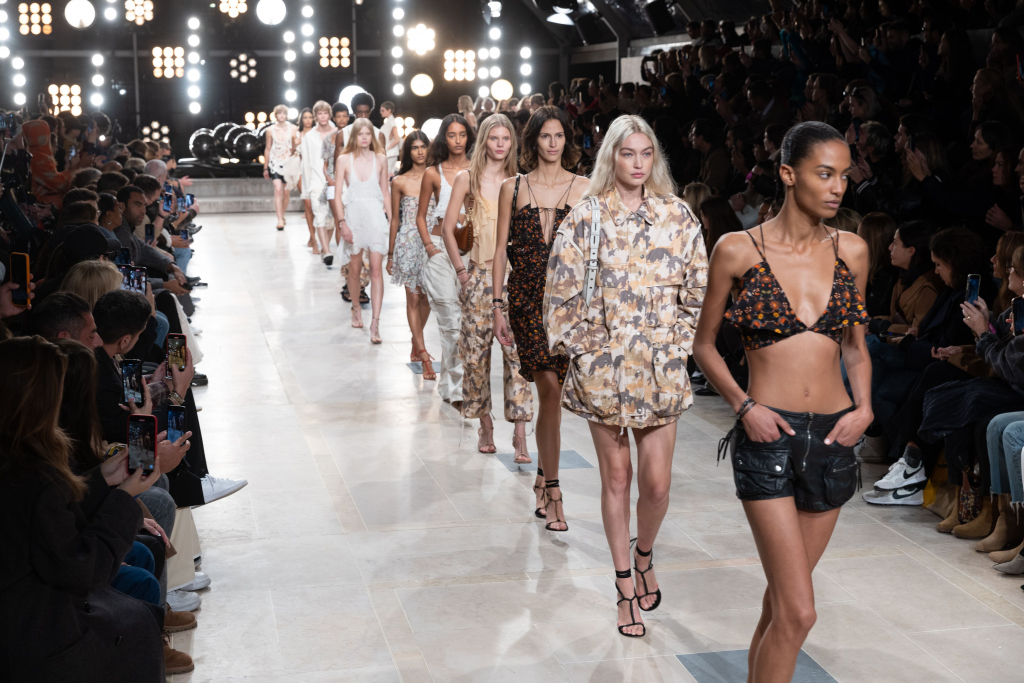
In the meantime, discussions about the cultural importance of fashion persist, placing greater focus on diversity and representation. Fashion weeks and catwalks are elevating varied voices, featuring models of different shapes, sizes, and ethnicities.
Style is constantly changing, showcasing human innovation and flexibility. Its capacity to represent the spirit of the times while challenging norms guarantees its ongoing significance in culture. As each new generation introduces new ideas, fashion will keep on astonish us, motivate, and mirror our contemporary world.

:max_bytes(150000):strip_icc()/VWH-GettyImages-2168531818-3e0c9a6c46fe445ab049a4daf639baa5.jpg "How To Incorporate Glycolic Acid Into Your Skincare Routine, According To The Experts")