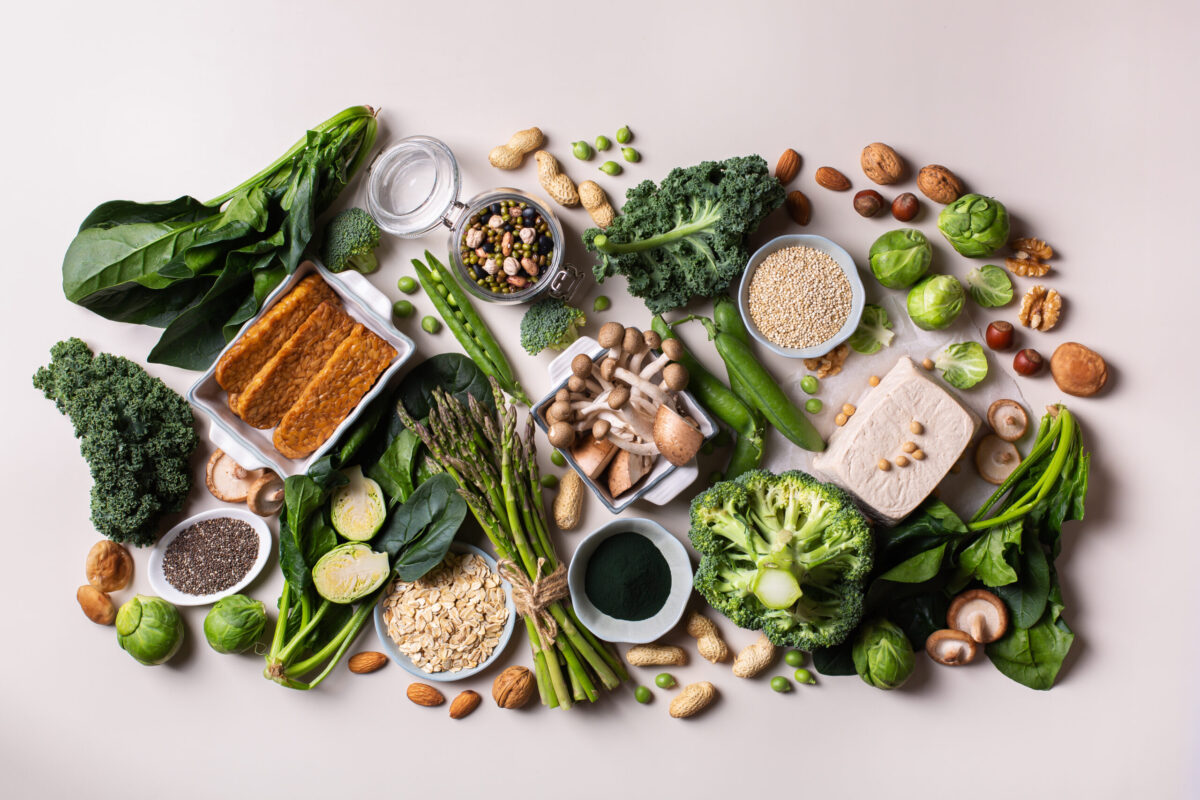
Which Foods Have Plant-Based Proteins?
Plant-based diets are progressively gaining popularity as individuals become more health-conscious, environmental awareness grows, and dietary preferences shift. A key component of a plant-based diet is ensuring adequate protein intake, which is crucial for muscle repair, hormone production, and maintaining overall health. Fortunately, a wide variety of plant-based foods can provide ample protein. This article delves into the myriad options available, supported by expert recommendations, scientific insights, and practical tips on incorporating these foods into daily meals.
Legumes
Legumes are an excellent source of plant-derived proteins. This category encompasses beans, lentils, chickpeas, and peas. For instance, a single cup of cooked lentils provides roughly 18 grams of protein, whereas a comparable amount of chickpeas contributes about 15 grams. These legumes are loaded with protein and offer vital nutrients like fiber, iron, and folate. As an example of their nutritional value, think of the traditional Indian dish, dal, which blends lentils with spices to form a meal rich in protein.
Kernels and Grains
Nuts and seeds are a handy snack that offers a strong protein boost. Almonds, chia seeds, flaxseeds, and sunflower seeds are fantastic options. An ounce of almonds gives approximately 6 grams of protein, while two tablespoons of chia seeds offer nearly 4 grams. Additionally, these foods are abundant in beneficial fats, vitamins, and minerals. To create a nutrient-rich breakfast, consider mixing a spoonful of chia seeds into your smoothie or yogurt.
Unrefined Cereals
Although frequently ignored, whole grains such as quinoa, brown rice, and oats offer important plant-derived proteins. Quinoa is unique because it is a complete protein, including all nine essential amino acids. A single cup of cooked quinoa contains approximately 8 grams of protein. Buckwheat is also noteworthy, offering 6 grams per cup when prepared, despite its deceiving name. Adding these grains to your meals does more than just enhance your eating variety; it also increases your protein consumption. A useful suggestion is to replace rice with quinoa in classic recipes to gain extra protein.
Tofu and Tempeh
Tofu and tempeh, both derived from soybeans, are versatile and protein-rich choices for those following a plant-based diet. Tofu, which is curdled soy milk, contains about 10 grams of protein per half-cup serving. Tempeh, a fermented soybean product, offers even more, with approximately 15 grams for the same portion size. These foods easily absorb flavors making them ideal for stir-fries, salads, or grilled dishes. An example of their culinary versatility is in Asian cuisine, where tofu is often integrated into both savory and sweet dishes.
Spirulina
Spirulina is a blue-green algae that has earned its reputation as a superfood. Just two tablespoons provide around 8 grams of highly digestible protein. Furthermore, spirulina is rich in vitamins B1, B2, B3, copper, and iron. This nutrient density, coupled with its protein content, makes it an excellent supplement for those seeking to enhance their plant-based diet. Given its strong flavor, spirulina is often added to smoothies or energy bars.
Edamame
Edamame are immature soybeans picked before they reach full maturity. A half-cup portion contains approximately 8 grams of protein, along with a beneficial amount of fiber and antioxidants. Widely used in Asian dishes, edamame can be consumed as a snack or mixed into salads and grain bowls. Their bright green hue and pleasing texture enhance the visual and tactile enjoyment of meals.
Reflecting on the vast array of plant-based protein sources highlights not only the flexibility of such a diet but also its health benefits. Embracing these foods can enhance nutritional profiles and sustainability without sacrificing protein intake. As we explore these options, it becomes evident that plant-based proteins offer a comprehensive and fulfilling dietary solution.