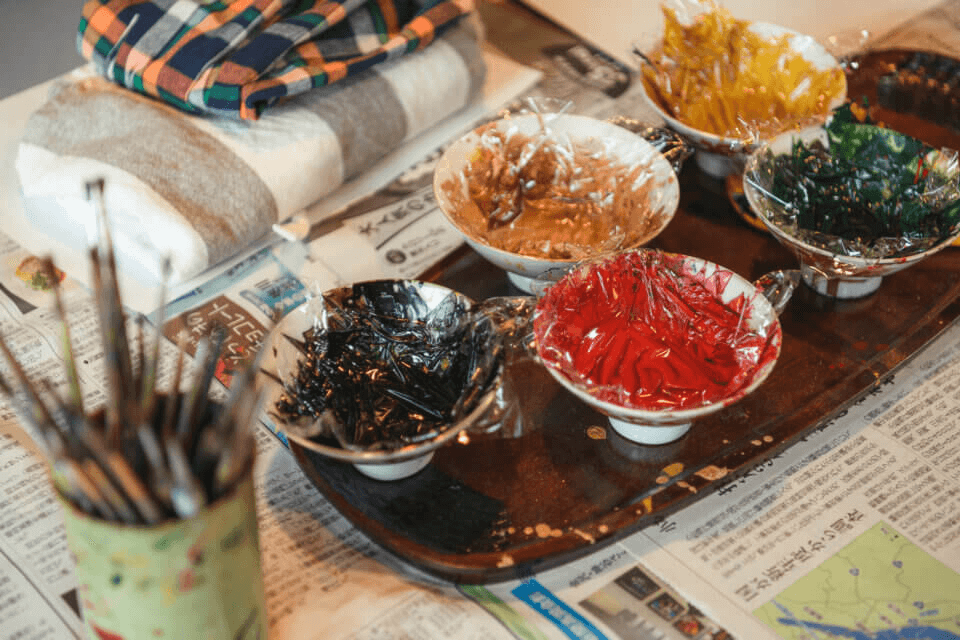
A significant issue affecting public health has surfaced in central China, where over 200 young children have been found with high lead concentrations in their blood. This troubling finding comes after it was revealed that a nearby kindergarten had utilized industrial paint rather than sanctioned food coloring for the children’s meals, as reported by regional health authorities.
The event, which has triggered extensive dismay and initiated an in-depth inquiry, occurred in Sanmenxia, a city in Henan province. The parents of the impacted youngsters were taken aback upon discovering that the kindergarten—a facility they relied on for their children’s safety and health—had included substances not suitable for consumption in the meals, possibly subjecting the children to harmful heavy metals over a prolonged timeframe.
Health officials conducting examinations found that over 200 children who attended the kindergarten showed lead concentrations in their blood significantly higher than recommended safety thresholds. While none of the cases were immediately life-threatening, medical experts warn that even low to moderate levels of lead exposure in children can cause long-term harm, including developmental delays, learning difficulties, behavioral problems, and damage to the nervous system.
The use of industrial paint as a substitute for edible food dye reportedly came to light after several children began exhibiting symptoms consistent with lead exposure, such as fatigue, irritability, abdominal pain, and reduced attention spans. Concerned parents sought medical testing, which ultimately revealed the extent of the contamination.
Las autoridades han cerrado el jardín de infantes y han iniciado una investigación exhaustiva para descubrir cómo se permitió que ocurriera tal práctica peligrosa en una institución educativa para niños pequeños. Representantes del gobierno local señalaron que tanto los departamentos de educación como de salud están colaborando para garantizar que los menores reciban la atención médica adecuada y un seguimiento continuo.
The kindergarten’s management is under investigation, and those found responsible for the decision to use non-edible paint in food preparation could face criminal charges. Officials have also pledged to inspect other childcare centers and schools in the region to ensure that safety protocols are being strictly followed.
This case has reignited national conversations in China about food safety, childcare standards, and public accountability. Food safety remains a sensitive topic in the country, where past scandals involving tainted milk powder, contaminated cooking oil, and unsafe agricultural products have eroded public confidence. Many parents across China expressed their deep concern on social media, demanding stricter oversight and harsher penalties for institutions that jeopardize children’s health.
The use of industrial substances in food preparation not only violates regulations but also reflects a troubling disregard for basic safety standards. Experts in public health emphasize that lead is a well-documented neurotoxin that has no safe level of exposure for children. Even small amounts can accumulate in the body over time, leading to cumulative damage that may not be immediately visible but can profoundly impact cognitive and physical development.
In response to the growing concern, health authorities have dispatched medical teams to the affected community to provide comprehensive evaluations, including blood tests, psychological assessments, and developmental screenings for the children. Efforts are also underway to provide support and counseling for families grappling with the emotional distress of the situation.
Medical professionals stress the importance of early intervention in cases of lead exposure. Treatments such as chelation therapy may be considered for children with significantly high lead levels, although prevention remains the most effective strategy. Ensuring that children are no longer exposed to contaminated materials is the first priority, followed by long-term monitoring of health and developmental outcomes.
This incident has also raised pressing questions about oversight within China’s sprawling network of educational institutions, particularly private kindergartens and daycare centers that may operate with limited regulatory scrutiny. Some experts argue that while national guidelines for food safety exist, their enforcement can be inconsistent, especially in smaller towns and less-developed areas where resources for inspection and compliance may be limited.
Guardians of the impacted students have requested more openness from both municipal officials and educational leaders. Some have asked for reparations and public apologies, while others have pressed the government to enforce stricter safety regulations and carry out frequent inspections to avert similar incidents in the future.
The authorities in China have emphasized the importance of health and safety, implementing numerous changes in recent times to enhance food safety, protect the environment, and regulate consumer products. Nevertheless, incidents such as this one highlight the persistent difficulties in making sure that strategies lead to concrete actions, especially in areas concerning the protection of sensitive groups like children.
International observers have also weighed in, noting that the issue of lead exposure is not unique to China. Around the world, lead contamination remains a significant environmental and public health challenge, particularly in regions with older infrastructure, inadequate safety regulations, or weak enforcement mechanisms.
Worldwide, the World Health Organization has consistently emphasized the risks associated with lead exposure, urging the implementation of stricter international regulations to safeguard children, who are most susceptible to the harmful effects of heavy metals. The organization recommends that governments allocate resources towards education, inspection initiatives, and community engagement to reduce hazards.
In the wake of the incident, public health advocates in China are urging comprehensive reforms to childcare licensing systems, stronger enforcement of food safety regulations, and mandatory education for childcare workers on the dangers of chemical exposure. Some experts suggest that digital tracking and reporting systems could be used to monitor compliance and flag potential risks before they escalate into crises.
For the families impacted in Sanmenxia, however, the primary concern is the wellbeing and recuperation of their children. Numerous parents have conveyed deep distress, stating that their confidence in the education system has been significantly undermined. Community support services are being organized to assist families in dealing with the stress and unpredictability they are currently experiencing.
As inquiries advance, responsibility remains a key focus. Local officials have pledged to bring all accountable individuals to justice and to prevent future similar occurrences. Nevertheless, many parents and worried citizens wish that this unfortunate event will act as a catalyst for significant improvements in how child safety is ensured throughout China.
The story is still developing, yet one thing is certain: prioritizing the health and safety of children is essential, and any safety breaches—whether unintentional or deliberate—affect more than just one community.