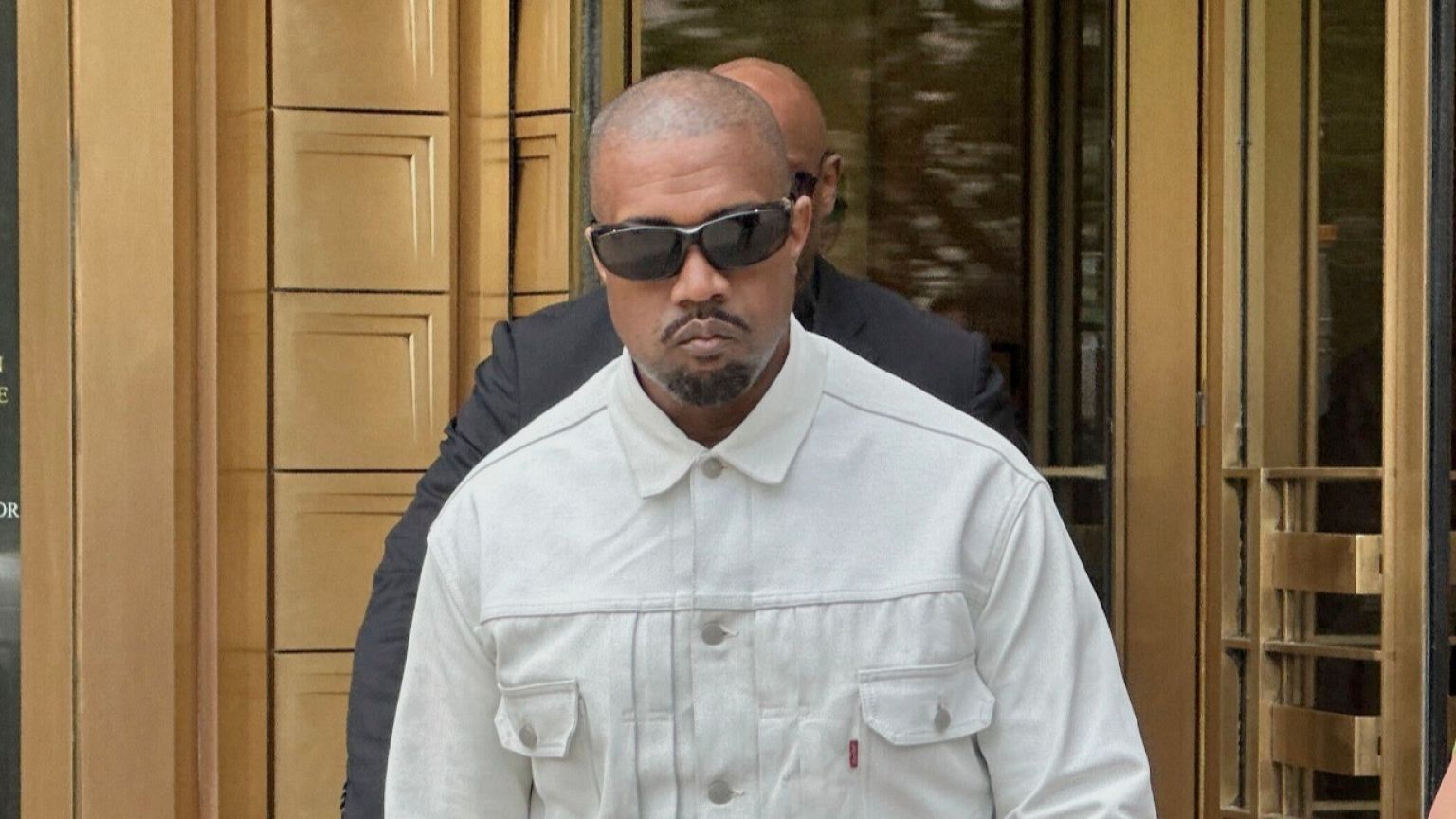
A significant music festival in Slovakia, which recently attracted attention by revealing Kanye West as one of its main performers, has been officially canceled. The unforeseen cancellation is a letdown for the thousands of music enthusiasts who were looking forward to the event, which was planned to unite some of the top artists in rap and hip-hop for a weekend filled with live shows, camaraderie, and festivity.
The event, intended to establish itself as one of the biggest rap-centered festivals in Eastern Europe, was set to occur later this year. The organizers anticipated that having a globally known performer like Kanye West would enhance the festival’s standing, draw international interest, and increase ticket purchases. Nevertheless, due to several obstacles, the event has been called off, resulting in uncertainty for ticket holders and artists about upcoming arrangements.
The announcement of Kanye West’s participation initially sparked both excitement and doubt. Despite West’s undeniable impact in the music industry, his recent controversies and erratic actions led some fans and local observers to question the decision. Nevertheless, it created a significant stir, with media sources and social networks buzzing as fans expressed their anticipation for what was anticipated to be an iconic performance in the area.
However, despite the initial enthusiasm, the festival soon faced a number of logistical and financial obstacles. According to local reports, concerns over event planning, infrastructure readiness, and budget constraints began to surface shortly after the announcement. The costs associated with bringing an artist of West’s stature to Slovakia, along with the necessary accommodations, security measures, and production standards, appear to have placed an unsustainable strain on the festival’s budget.
In addition to financial challenges, the organizers faced difficulty securing the necessary permits and meeting city regulations required to host such a large-scale event. Planning a festival of this magnitude involves coordination with local authorities, safety teams, and venue management, and any missteps can quickly derail the process. As the original date approached, it became increasingly clear that the necessary groundwork was not falling into place as expected.
Fans who had purchased tickets expressed their disappointment across social media, many citing their frustration not only with the cancellation but also with the lack of clear communication in the lead-up to the announcement. Some ticket holders mentioned that updates from the organizers were sporadic and vague, leaving them uncertain about the status of the event until the official cancellation was confirmed.
The festival’s cancellation has also sparked broader conversations about the viability of hosting large-scale international music events in smaller European markets. While countries like Slovakia have a vibrant and growing music scene, staging an event of this size and complexity requires substantial financial investment, infrastructure, and logistical expertise. For many smaller promoters, the risks may simply outweigh the potential rewards, particularly when working with high-profile global artists.
Kanye West’s participation, although it might significantly boost ticket sales, also introduced more intricacy. He is recognized for his unpredictable behavior, public disputes, and sudden cancellations in prior instances. Having West as the main act might have been viewed as both promising and risky. His inclination for last-minute alterations, unconventional shows, and divisive public remarks might have caused certain partners and sponsors to be cautious about completely supporting the event.
Furthermore, in the current rapidly evolving digital landscape, the expectations for festival organizers to not only host a triumphant event but also create a memorable cultural experience are greater than ever. Music festivals have evolved beyond merely presenting live acts—they are now all-encompassing experiences that depend largely on interaction through social media, influencer involvement, and viral content. A deficiency in any of these aspects can markedly affect ticket sales, brand image, and future sustainability.
The financial stakes are equally high. Booking international artists, particularly those of West’s caliber, involves not only massive appearance fees but also extensive technical requirements. From stage design and sound engineering to artist hospitality and security, the costs can quickly escalate beyond initial projections. For a festival operating in a market where average ticket prices and local sponsorships may not match those of larger international markets, the financial model becomes precarious.
Otra razón que podría haber influido en la cancelación es el entorno cambiante de la música en vivo después de la pandemia. Aunque el interés por los eventos en vivo ha regresado con fuerza, muchos organizadores todavía enfrentan nuevos retos relacionados con la seguridad pública, regulaciones en evolución y expectativas fluctuantes del público. Las exigencias logísticas de albergar a miles de asistentes mientras se cumplen los protocolos de salud y seguridad pueden ser una tarea desalentadora, especialmente para eventos que aún están en proceso de consolidarse.
Although there was a setback, numerous enthusiasts and industry experts are optimistic that the festival’s concept will continue. Slovakia and the nearby area are home to a devoted community of hip-hop and rap enthusiasts, along with a rising number of gifted local performers who need opportunities to present their art. Introducing international celebrities to this area can greatly motivate and unify communities, yet it demands meticulous organization, sustainable advancement, and pragmatic outlooks.
In the meantime, attention has turned to how the organizers will handle ticket refunds and communicate with the affected attendees. Transparency and timely updates will be crucial in maintaining goodwill among fans and potential future festival-goers. Many ticket holders have expressed concerns about refund processes, and clear guidelines will be necessary to avoid further reputational damage.
The cancellation also underscores the need for music event organizers to strike a balance between ambition and feasibility. While securing big-name artists can generate buzz and initial excitement, long-term success often comes from building a solid foundation through smaller, more manageable events that gradually scale over time. Festivals such as Glastonbury, Coachella, and Primavera Sound took years to establish their global reputations, evolving organically while cultivating loyal fanbases and industry trust.
For Kanye West, the Slovak festival’s cancellation is merely another episode in his intricate and tumultuous interactions with the live music scene. West continues to be a highly impactful and divisive personality in modern music, with a career characterized by both innovative creativity and notable controversies. His impact reaches beyond music, influencing fashion, art, and culture, positioning him as both an asset and a complex collaborator for live performances.
No matter the personal views about West, his global celebrity status is unequivocal. Hosting an artist of such caliber in an up-and-coming market like Slovakia would have represented an important cultural milestone for the area. The letdown associated with the event’s cancellation underscores both the excitement of the regional fans and the logistical challenges that need to be addressed to realize such ambitious plans.
Looking ahead, there is still optimism that the dream of a large-scale rap and hip-hop festival in Slovakia can eventually become a reality. Many believe that by focusing on local talent, building strategic partnerships, and growing the festival organically, future editions can succeed without the need for costly international headliners in the early stages. Developing a strong sense of community and offering a well-curated lineup that reflects both global trends and regional talent could prove to be a more sustainable model.
In summary, the Slovak rap festival that was supposed to include Kanye West in its lineup being canceled highlights the challenges of putting together major music events, particularly in developing markets. Although high-profile announcements can create buzz, effectively executing an event demands thorough preparation, financial security, and flexibility to respond to unforeseen situations. This scenario provides both fans and event organizers with important insights that could influence how music festivals are organized in the region and other places. As the worldwide music industry keeps evolving, there remain chances for creativity, perseverance, and fresh ways to connect via live shows.