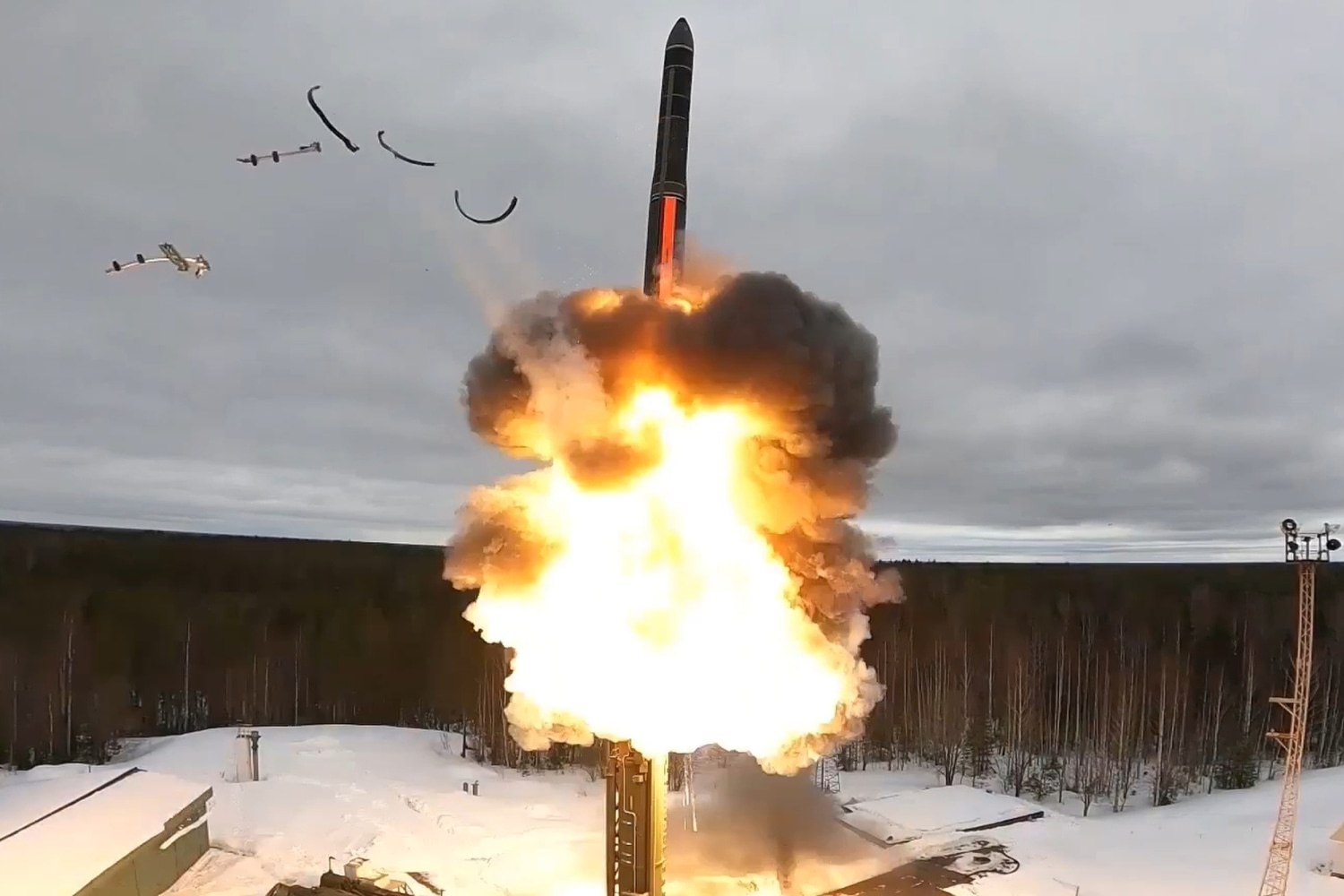
The former president of Russia has issued a stark warning to international adversaries following Moscow’s recent decision to abandon a key nuclear arms control agreement. This move signals a significant shift in global security dynamics, reflecting heightened tensions and a departure from longstanding arms control frameworks established during the Cold War and post-Cold War eras.
El acuerdo en discusión, ampliamente considerado un pilar de la estabilidad nuclear entre las principales potencias, había impuesto restricciones sobre el despliegue y desarrollo de ciertas categorías de armas nucleares. Su suspensión y eventual finalización representan una escalada crítica en la carrera armamentista, generando inquietudes entre los líderes mundiales sobre la posibilidad de una renovada rivalidad estratégica y la reducción de canales para el diálogo diplomático.
In his address, the previous leader of Russia highlighted that the Kremlin’s decision to pull back indicates a “changing landscape” in global interactions, marked by an adjustment of military strategies and geopolitical focus. He described this change as a reaction to perceived challenges and hostilities from competing countries, stating that Russia needs to adjust to a transforming security setting to protect its national goals.
This announcement has drawn attention to the broader context of deteriorating relations between Russia and Western countries, marked by mutual accusations of treaty violations, military buildups, and sanctions. The collapse of arms control agreements not only undermines decades of efforts to reduce nuclear risks but also fuels uncertainties about future conflict prevention mechanisms.
Experts warn that without robust arms control frameworks, the risk of miscalculations, misunderstandings, and escalation rises significantly. The absence of transparent verification measures may encourage unchecked development of advanced weapons systems, including hypersonic missiles and tactical nuclear arms, complicating crisis management.
The choice made by the Kremlin demonstrates Moscow’s strategic assessment in the face of intricate security issues, such as NATO’s expansion to the east and evolving partnerships in Eastern Europe and further afield. Russian authorities have expressed worries regarding the treaty’s applicability and equity, contending that it limits their defensive potential while opponents develop technologies not covered by it.
The international community has responded with a mix of condemnation and calls for renewed dialogue. Diplomatic efforts are underway to prevent further unraveling of arms control architecture, with some nations advocating for inclusive negotiations that address emerging threats and new weapon categories.
Meanwhile, defense analysts are closely monitoring Russia’s military posture and technological developments, assessing the implications for regional and global stability. The prospect of a more confrontational security environment has prompted discussions on deterrence strategies, arms modernization, and the role of multilateral institutions.
This evolving scenario underscores the fragile nature of global arms control in an era marked by geopolitical rivalry and technological innovation. The former Russian president’s remarks highlight how leadership rhetoric can influence perceptions and potentially shape the trajectory of international security.
While the world adjusts to this “new reality,” those involved are confronted with the difficult task of aligning national security priorities with the pressing necessity to prevent nuclear escalation. Enhancing lines of communication, restoring confidence, and seeking arms control modifications tailored to current obstacles will be essential for preserving strategic stability.
The collapse of this nuclear treaty highlights the interrelation of diplomacy, defense strategy, and global law in the oversight of weapons of massive destruction. Additionally, it brings into question the future of worldwide nonproliferation initiatives and the ability of current organizations to manage new challenges.
In the coming months, attention will focus on whether Russia’s departure from the treaty prompts reciprocal actions or new initiatives aimed at conflict reduction. The situation calls for measured responses and proactive engagement to avoid unintended consequences that could destabilize an already fragile security landscape.
The statements from Russia’s former president and the Kremlin’s policy shift mark a pivotal moment in nuclear arms control history. How the international community responds will play a decisive role in shaping the prospects for peace and security in a rapidly changing world order.