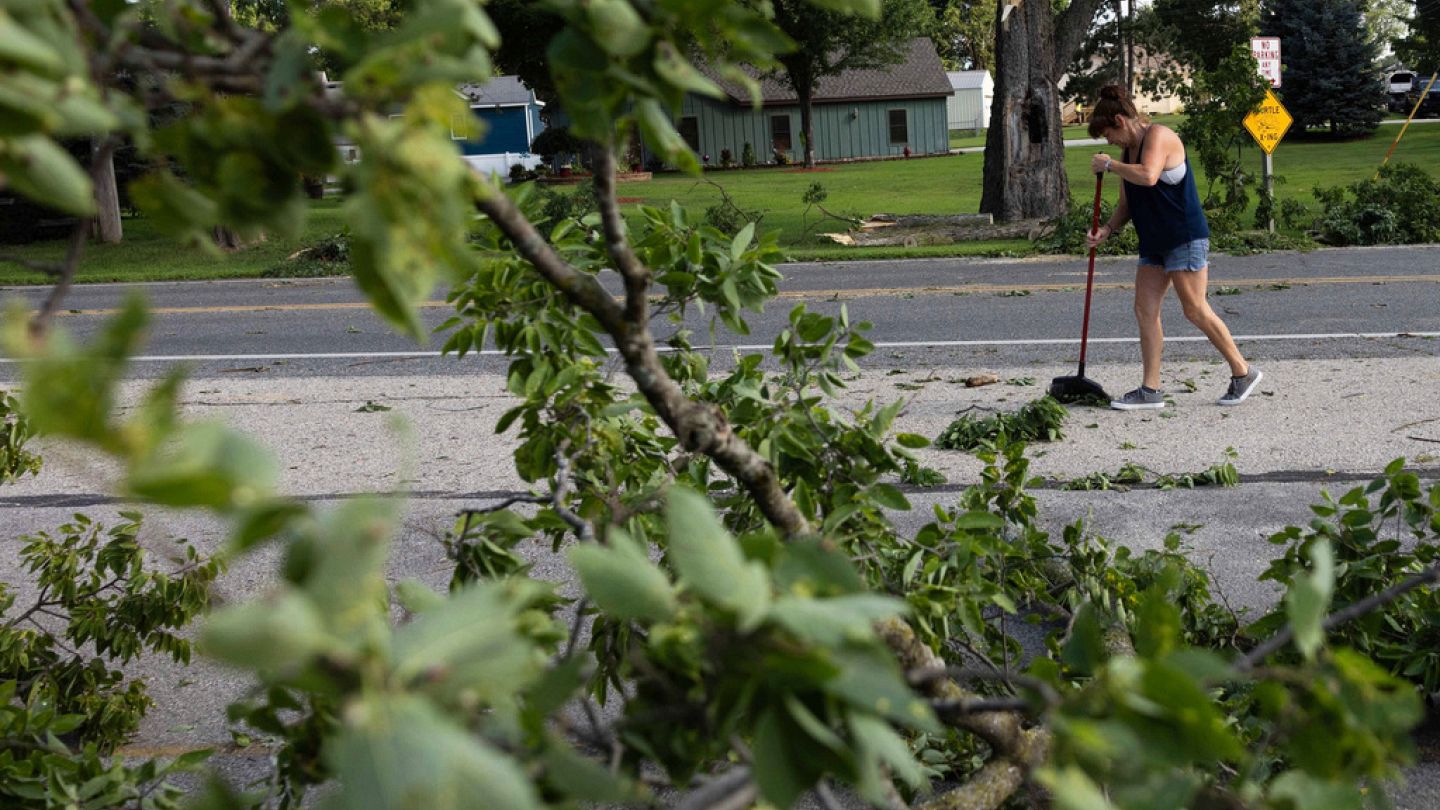
Forecasters are warning that a series of powerful weather systems is expected to move across portions of the Midwest and Southeast over the coming weekend, bringing the potential for damaging winds, large hail, and intense rainfall. Meteorologists are closely monitoring the evolving patterns, noting that a clash between warm, humid air from the Gulf of Mexico and cooler air from the north is creating a setup ripe for strong to severe storms.
As the weekend nears, the weather patterns are setting up in a manner that could trigger several instances of severe weather across various states. The main worry is the likelihood of organized thunderstorms evolving into supercells, which might generate dangerous wind bursts strong enough to uproot trees, disrupt power lines, and inflict structural harm. In certain locations, there is also a notable threat of sizable hailstones that could harm cars and roofs.
The Midwest is expected to see the first wave of storms, likely beginning late Friday and intensifying through Saturday. States such as Missouri, Illinois, and Indiana may experience scattered severe thunderstorms that could quickly turn widespread, especially during peak heating hours in the afternoon and evening. Residents are advised to pay attention to local alerts and prepare for changing conditions, as rapid storm development can leave little time for reaction.
For the weekend, particularly from Saturday night to Sunday, the storm is expected to move towards the Southeast, affecting areas in Kentucky, Tennessee, Alabama, Georgia, and the Carolinas. The presence of humid and unstable air in these areas heightens the chances of intense rainfall and the potential for sudden flooding, especially in low-lying regions or neighborhoods close to rivers and streams. Emergency management authorities stress the importance of having various methods for receiving weather warnings, such as mobile notifications and NOAA weather radios, particularly during nighttime when individuals might be asleep.
In addition to the damaging wind and hail threat, forecasters warn that isolated tornadoes cannot be ruled out. While the overall tornado risk is considered lower than the potential for straight-line wind damage, the unpredictability of supercell development means even brief, localized tornadoes could form. These can still be dangerous, capable of causing injury and property damage, particularly if they touch down without much warning.
Meteorologists with the National Weather Service along with private forecasting companies are actively fine-tuning their models in the moment, modifying expected storm paths and intensity as fresh information is received. The deployment of weather balloons, satellite images, and Doppler radar data is crucial in observing the evolution of these storm formations. Initial signs indicate that the danger of severe weather will differ across the impacted areas, with certain regions possibly experiencing just significant rainfall, whereas others might face harsher conditions.
For farmers across the Midwest and Southeast, the approaching storms present both challenges and potential benefits. While the rainfall may provide much-needed moisture for crops in certain areas, high winds, hail, and flooding could cause significant agricultural losses. Fields of corn, soybeans, and wheat are especially vulnerable to hail damage, which can shred leaves and reduce yields. Livestock operations must also prepare for the possibility of dangerous weather, ensuring that animals have shelter and that operations have contingency plans in place.
Travel could also be impacted, particularly for those driving long distances or flying through major hubs in the affected areas. Heavy rain can lead to hazardous road conditions, while strong winds may disrupt flight schedules at airports in cities such as St. Louis, Nashville, and Atlanta. Travelers are encouraged to monitor forecasts and be flexible with plans, as sudden weather-related delays are possible.
Areas that have experienced storms in the past are paying close attention to the weather predictions. Authorities in certain communities are already organizing emergency shelters and assessing their plans for dealing with potential disasters. Power companies are also on standby, ready to dispatch teams swiftly to address possible power failures due to trees falling and winds damaging power lines.
While the storms will likely pass within a couple of days, the impacts could be felt long afterward, especially if widespread damage or flooding occurs. Recovery efforts can take days or even weeks, depending on the severity of the weather and the resources available for cleanup. Insurance claims may also spike, particularly for hail and wind damage, as homeowners and businesses assess the aftermath.
Experts stress that preparation is the best defense against severe weather. They recommend securing outdoor items that could become airborne, ensuring emergency kits are stocked with essentials, and having a clear plan for seeking shelter. For households in mobile homes or older structures, identifying sturdier nearby buildings to retreat to during storms can make a critical difference in safety.
The approaching weekend emphasizes that the period of extreme weather is not limited to the typical “storm-prone” regions. Due to changing climate trends, powerful storms have the potential to hit extensive parts of the nation, making awareness and preparation crucial. Meteorologists will keep informing the public as situations change, encouraging caution and prompt response when alerts are given.
While not every community in the Midwest and Southeast will experience severe impacts, the broad scope of the threat means millions of people should remain aware of changing conditions from Friday through Sunday. Whether it’s through weather apps, local broadcasts, or emergency alert systems, staying connected to reliable sources of information will be key to staying safe as the weekend’s storms unfold.