The 2010 film The Social Network, directed by David Fincher and scripted by Aaron Sorkin, is more than a biographical account of Facebook’s creation. In the context of the digital age, the movie serves as a multi-faceted representation of technological disruption, the redefinition of human relationships, and the ethical ambiguities that permeate our increasingly connected society. Examining what The Social Network truly represents today requires an exploration of its themes, real-life underpinnings, and the evolving digital landscape.
Digital Entrepreneurship and the Cult of Innovation
At its core, The Social Network dramatizes the origin story of Facebook, embodying the digital era’s archetype: the college drop-out genius who upends traditional industries. The film crystalizes how the early-2000s tech boom transformed dorm rooms into breeding grounds for billion-dollar startups. Mark Zuckerberg’s relentless drive, as portrayed by Jesse Eisenberg, mirrors Silicon Valley’s culture of innovation, where audacious ideas—amplified by code—can reshape not just economies but the fabric of human interaction.
The movie portrays how the internet era expanded access to opportunities while also creating a new group of elites: individuals with the technical expertise and foresight needed to leverage extensive networks. The portrayal of Ivy League universities as breeding grounds for technological innovation is rooted in fact. Data from Crunchbase and AngelList highlight that many unicorn startups were launched by founders who attended prestigious universities, thus supporting the narrative presented in the film.
Transforming Relationships and Group Interactions
The phrase, “Reaching 500 million friends comes with its share of adversaries,” highlights a core contradiction of the digital age. Social media sites, with Facebook being the most prominent, have profoundly transformed the idea of friendship. The Social Network explores the conflict between genuine personal connections and online interactions. The personal breakdown between Zuckerberg and Eduardo Saverin, who co-founded the company with him, illustrates how technology can simultaneously foster and undermine trust.
Case studies accentuate this: An Oxford Internet Institute report observed that while the average Facebook user might have hundreds of online connections, meaningful offline relationships remained stagnant or even declined, illustrating Dunbar’s number theory. The narrative power of the film is in how it mirrors this paradox—highlighting not just growth in social networks, but the cost at an individual level.
Ethics, Ownership, and the Digital Gold Rush
The question of intellectual property haunts the film, embodied in the legal battles between Zuckerberg, the Winklevoss twins, and Saverin. This dramatization echoes broader trends in digital innovation: the tension between collaborative creativity and ruthless competition. The movie is a window into a world where the race to claim ownership supersedes traditional ethical boundaries.
The film’s legal conflict highlights recurring themes in the tech industry, seen in cases like Google vs. Oracle or Snapchat’s beginnings, which emphasize ongoing debates about coding, concepts, and recognition. These disputes are not just narrative elements but symbolize a digital economy that frequently values rapid growth and market leadership above moral principles and fairness.
Narratives of Alienation in a Hyperconnected World
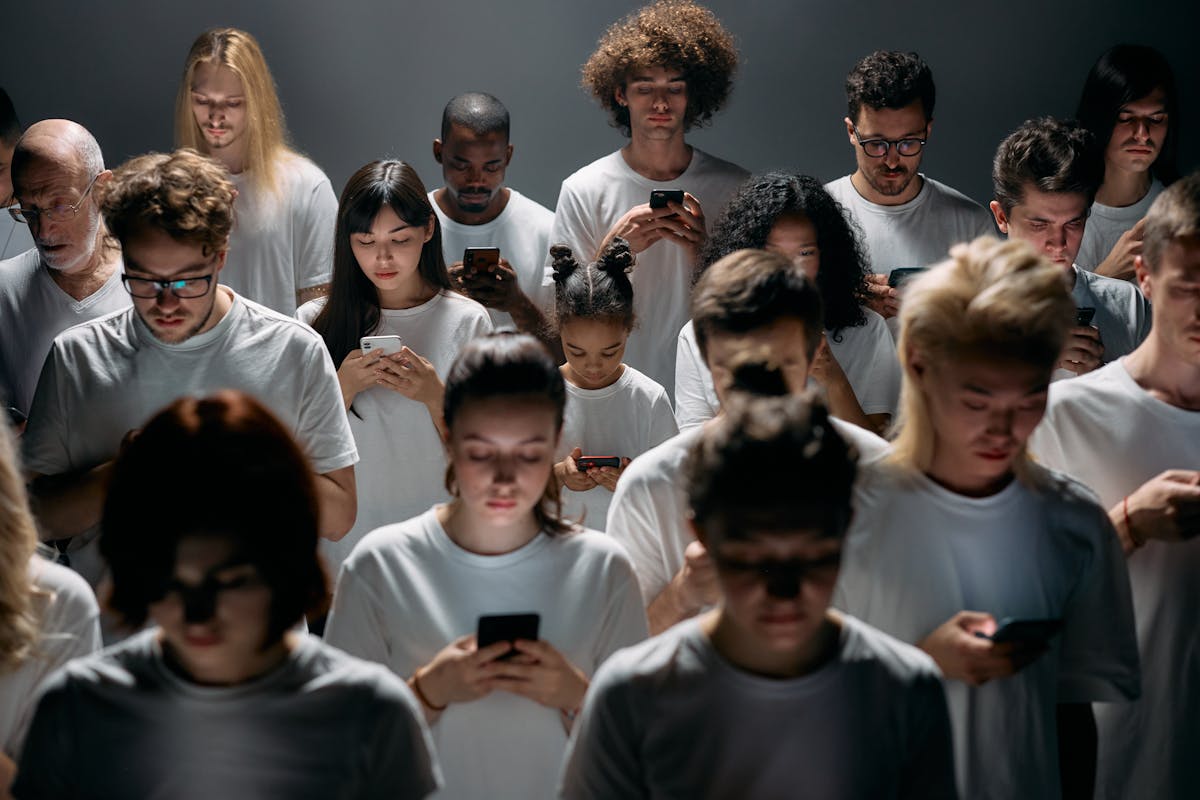
A defining undercurrent in The Social Network is the portrayal of isolation amidst connectivity. Mark Zuckerberg, even as he builds a platform designed to bring people together, is depicted as fundamentally alone—a motif frequently echoed in analyses of social media’s psychological impact. Research from the American Journal of Preventive Medicine (2017) identified a correlation between extensive social media use and perceived social isolation among young adults. The film, therefore, can be interpreted as both origin story and cautionary tale.
a través de su paleta de colores fríos, diálogos rápidos y el guion de Sorkin, la película describe un escenario donde la ambición es emocionante, pero las relaciones son desechables. anticipa debates sobre el impacto de las plataformas digitales en la salud mental, la autoestima y las conexiones humanas, temas que se han vuelto más relevantes en el mundo posterior a 2010.
The Power Dynamics of Data and Influence
Although based in Facebook’s infancy, The Social Network predicts the vast influence digital platforms would eventually gain. Apart from linking individuals, Facebook’s transformation into a marketing powerhouse relying on data and a crucial player in political and social conversations isn’t directly shown in the film but becomes evident with hindsight. The film’s depiction of Facebook as an entity that swiftly surpasses its founders’ moral guidelines reflects ongoing issues regarding platform responsibility.
Cambridge Analytica and the continuous discussions about content moderation highlight how current digital powerhouses possess an influence surpassing that of companies in past times. The Social Network serves as a forward-thinking story, encouraging viewers to consider the extent of control we actually hold over technologies that essentially define our societal reality.
Legacy for the internet
After more than ten years, The Social Network continues to influence, not just with its narrative but as a way to examine our shared digital path. Its lasting significance is found in the inquiries it presents—on the two-sided nature of innovation, the shifting meaning of connectivity, the morality of ownership, and the deep loneliness that can accompany life online.
Witnessing the movie in contemporary times prompts a thoughtful examination of what has been achieved and lost in the unyielding quest for connection and advancement. By illustrating rapid triumph and individual consequences, The Social Network mirrors the aspirations and fears that characterize the digital era, encouraging ongoing introspection about the paths we take and the principles we uphold in our interconnected society.