James Cameron’s Avatar, launched in 2009, immediately stood out due to its revolutionary visual components. Although numerous movies have utilized cutting-edge technologies to improve narrative, Avatar captures interest with its intricate visual communication. Every aspect, from the color schemes to the aesthetic decisions, is meticulously arranged to move audiences from earthly existence to the stunning moon of Pandora. This analysis examines the particular visual characteristics that establish Avatar as a lasting filmic marvel.
Revolutionary Use of 3D Technology
The most widely recognized visual advancement in Avatar is arguably its groundbreaking use of stereoscopic 3D. Far from being a simple novelty, this 3D technology is intrinsically linked to the narrative itself. The unparalleled depth of perception draws viewers into each moment, whether they are flying through Pandora’s atmosphere on a banshee or exploring its glowing forests. The precise three-dimensional arrangement enhances both spatial understanding and emotional connection. Information from the movie’s creation indicates that, over a period of four years, specialized cameras and software were created specifically for this endeavor, highlighting how crucial visual immersion was to the film’s core essence.
Exquisite World-Building: Pandora’s Flora and Fauna
Avatar relies heavily on environmental storytelling, with Pandora itself functioning as a living, breathing character. The moon’s topography—a combination of floating mountains, lush rainforests, and glowing flora—draws on real-world botany and zoology while amplifying them through imaginative design. Each plant, such as the massive Hometree or the sentient Woodsprites, is meticulously rendered with vibrant colors and dynamic animation sequences. The unseen canopies and detailed undergrowth provide layers of visual complexity, achieved through the collaboration of botanists, designers, and digital artists. The native creatures—like the Direhorse and the Banshee—evoke both familiarity and alien wonder by merging earth species’ anatomy with novel features, reinforcing Pandora’s otherworldly ecosystem.
Bioluminescence and the Spectrum of Illumination
One of the movie’s most recognizable visual elements is its widespread application of bioluminescence. Pandora’s daytime scenes are characterized by rich, intensely saturated greens and blues, yet at night, the environment undergoes a complete change. The woodlands glow with brilliant purples, pinks, blues, and greens, a result of sophisticated rendering methods and a profound grasp of color principles. These bioluminescent phenomena are more than just ornamental; they play a role in Na’vi culture, directing ceremonies and symbolizing spiritual beliefs. For example, the Tree of Souls not only stands out visually but also embodies thematic depth—functioning as both a stunning display and a central point for the story.
Character Design and Motion Capture
The Na’vi represent a monumental achievement in digital character creation. Their elongated limbs, feline features, and luminescent skin patterns are instantly memorable. These qualities transcend mere makeup; extensive motion-capture technology allows the performers’ emotional nuances to be translated faithfully onto their digital counterparts. The facial capture innovation plays a crucial role—subtle expressions, eye movements, and body language convey authenticity, minimizing the notorious ‘uncanny valley’ effect. Behind this seamlessness lies an enormous logistical operation: more than 60% of the film comprises computer-generated characters interacting dynamically with both digital and live-action elements.
Attire and Societal Indicators
Visual detailing extends deeply into costume design for both the Na’vi and human characters. The Na’vi’s attire features woven textiles, natural leathers, feathers, and bioluminescent beads, each reflecting their spiritual connection to the land. This echoes real-world indigenous cultures while blending imaginative fantasy elements, providing a visual shorthand for cultural depth. Human characters—specifically the soldiers and scientists—are defined by utilitarian exosuits, lab wear, and mechanized armor, underscoring the thematic conflict between nature and technology and illustrating the difference between human and Na’vi worldviews visually.
Environmental Composition and Cinematic Framing
The cinematography of Avatar meticulously frames Pandora’s splendor through sweeping establishing shots and intimate close-ups. Wide-angle vistas capture the dizzying heights of the Hallelujah Mountains, exploiting scale to inspire both awe and a sense of insignificance. Cameron employs dynamic camera movement to simulate flight and frame action sequences, producing kinetic energy that draws the audience into the world. Key scenes leverage light and shadow, contrasting Na’vi harmony with the harsh, sterile human encampments, providing stylistic subtext that amplifies core themes.
Integration of Practical and Digital Effects
The combination of practical and digital effects ensures that Pandora’s setting appears tangible instead of completely artificial. Actual sets are integrated with computer-generated additions, enabling live performers to engage authentically with their environment. This mixed methodology is evident in close-up shots of forest grounds, where actors’ hands touch digital plant life that reacts instantly, grounding the visual illusion in physical existence.
Influence on Other Media and Popular Culture
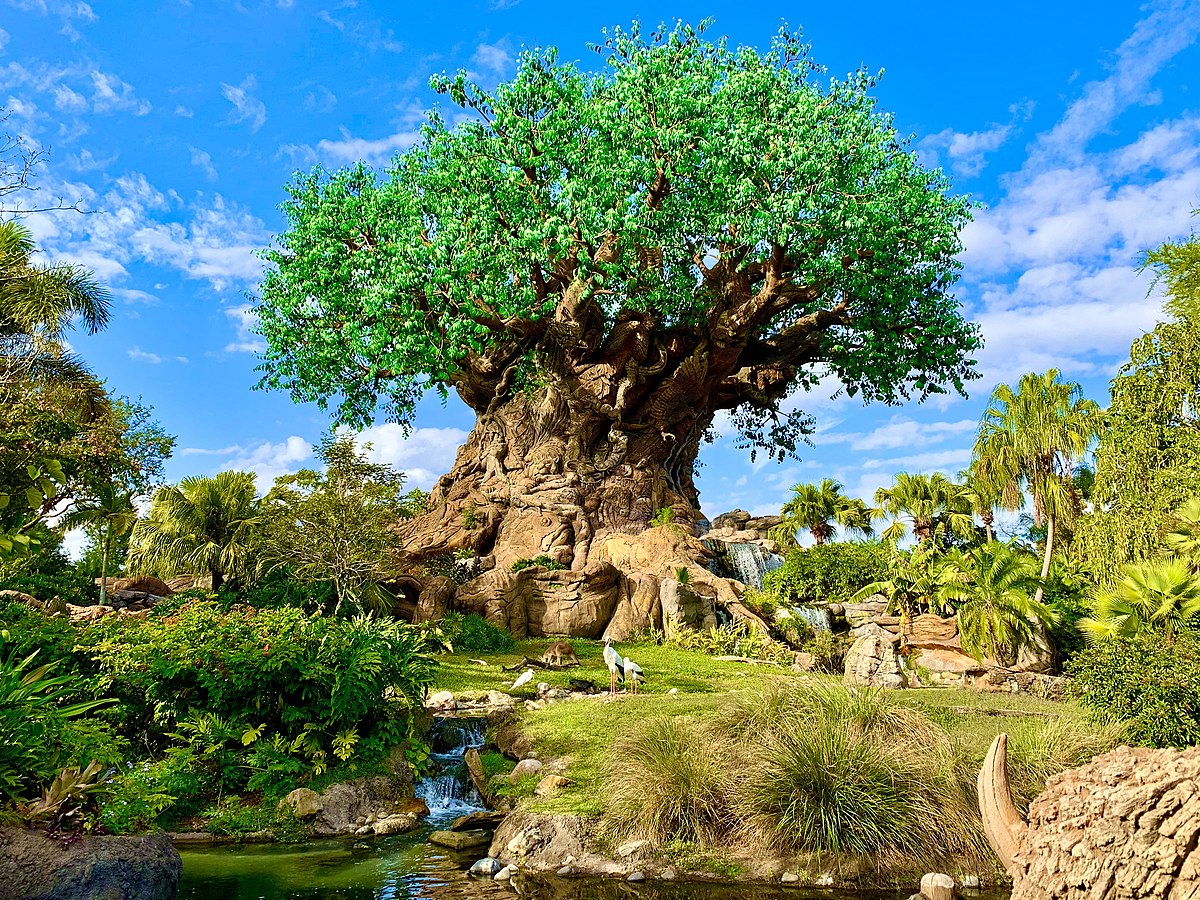
The unique visual identity established by Avatar has influenced games, theme park attractions, and subsequent films. For example, the immersive lands in major amusement parks recreate Pandora’s glowing vistas, demonstrating the film’s lasting visual impact. Other filmmakers have cited Avatar as a reference point for integrating CG with live action at scale, using it as a benchmark for technical ambition and visual storytelling.
An Enduring Visual Heritage
Every visual choice in Avatar integrates cutting-edge technology and imaginative world-building to create a sensory-rich experience. The film’s cohesive palette, intricate character work, and innovative use of light are carefully layered, drawing viewers deeper into its ecological parable. Through these elements, Avatar has not only shaped the evolution of visual effects but also redefined expectations for cinematic immersion, demonstrating the enduring power of artistry harmonized with technology.