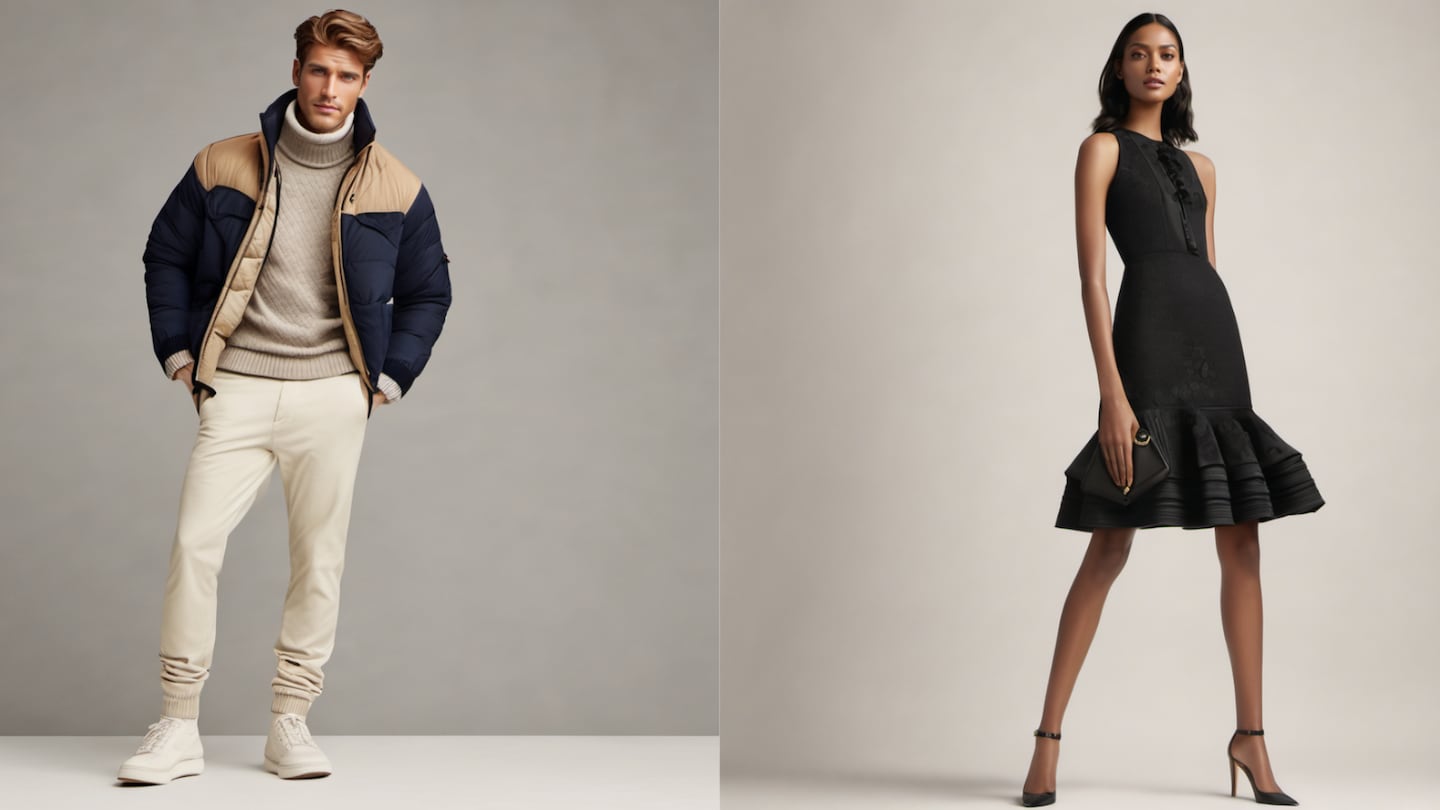
Designer fashion represents a sophisticated segment of the apparel industry that is defined by creativity, exclusivity, and unparalleled craftsmanship. It transcends mere garment construction, embodying cultural narratives, personal expressions, and the distinct visions of fashion icons and revered brands. This sector is not just about clothing but an art form that showcases the evolution of taste and style through time.
Key Traits of Designer Fashion
Exclusivity and Limited Editions: A defining trait of designer fashion lies in its exclusive nature, with many items crafted in restricted numbers or occasionally as singular creations, a rarity that elevates their worth and renders them highly sought after by collectors and devoted fashion followers.
Artistry and Craftsmanship: Designer fashion is synonymous with meticulous attention to detail and superior craftsmanship. Artisans and designers invest time and skill into each piece, ensuring high-quality materials, precision in sewing, and innovative design patterns. Techniques such as embroidery, hand-stitching, and custom tailoring are often employed to transform raw materials into wearable art.
Innovative Designs: Designers often spearhead new trends by offering fresh viewpoints within the fashion world, drawing ideas from varied influences like history, art, nature, and contemporary cityscapes. Their inventive approach keeps designer fashion vibrant and in constant transformation, continually stretching the limits of traditional style conventions.
The Influence of Renowned Designers
Iconic designers such as Coco Chanel, Giorgio Armani, and Alexander McQueen have made lasting impressions on the fashion world through their distinct perspectives and creative philosophies, with Coco Chanel transforming women’s style by promoting practical, relaxed silhouettes that defied the restrictive trends of her era, while Armani reshaped the concept of power dressing with refined tailoring embraced by contemporary professionals, and McQueen, through his dramatic and often provocative creations, pushed against conventional aesthetics to celebrate the fusion of fashion and art.
Influence on Culture and Society
Designer fashion frequently mirrors broader cultural shifts, and at times even helps shape them. In the 1960s, mini-skirts and vivid tones championed by Mary Quant came to symbolize the period’s push for social freedom. Decades later, the easy silhouettes of the 1990s, brought to prominence by Calvin Klein, echoed the growing informality of workplace attire and a movement toward pared-down aesthetics.
Furthermore, designer fashion acts as a platform for social commentary. Designers have used their collections to address issues like climate change, gender equality, and cultural appropriation, making fashion not just a visual but also a powerful communicative medium.
The Business of Designer Fashion
Economically, designer fashion is a significant contributor to the global economy. According to a McKinsey report, the fashion industry is valued at approximately $2.5 trillion. Designer brands like Louis Vuitton, Gucci, and Prada drive a substantial portion of this market, commanding premium prices due to their brand heritage and perceived value. With the advent of technology and globalization, e-commerce has introduced designer fashion to a broader audience, expanding markets beyond traditional fashion capitals like Paris, Milan, and New York.
Future Trends and Innovations
As the industry evolves, sustainability and ethical fashion are becoming more integral to designer fashion. Consumers increasingly demand transparency and accountability from fashion houses, prompting a shift towards eco-friendly materials and sustainable production practices. Innovations in technology, such as 3D printing and digital fashion, are also poised to redefine how designer fashion is conceived and consumed.
Considering the core of designer fashion, its importance emerges not just from its visual allure but also from the impact it exerts and the way it mirrors wider social currents, and through ongoing creativity and inventive expression, it keeps redefining how cultural value is understood, felt, and shaped across the fashion world.