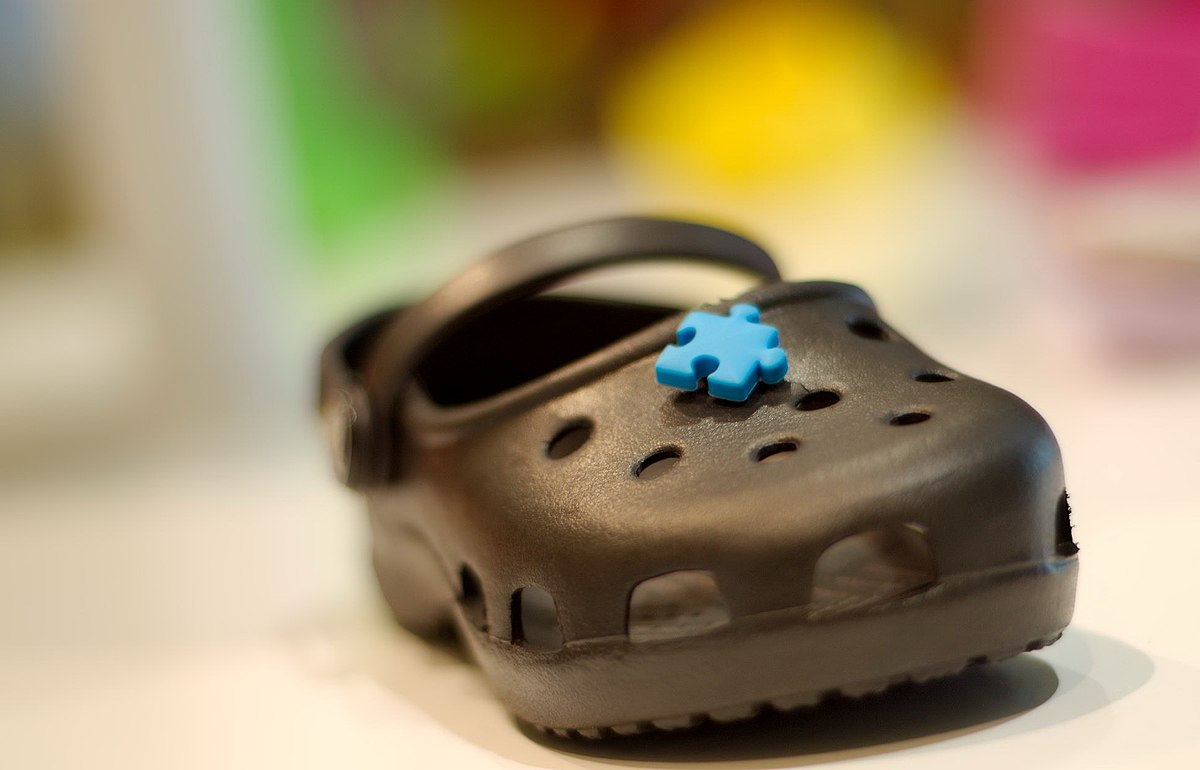
The U.S. shoe market has experienced a considerable shift in consumer tastes, with new sales statistics indicating a substantial decline in the buying of Crocs’ iconic foam clogs. This decrease arises as more consumers lean towards classic sneakers and athletic footwear aimed at performance, highlighting a change from the surge during the pandemic that catapulted the comfortable, breathable shoes into high demand.
Market analysts point to several factors behind this sales slump. The return to office work and social activities has many consumers choosing more conventional footwear options. Additionally, the current fashion cycle has moved toward sleek, minimalist sneaker designs rather than the chunky, utilitarian look that propelled Crocs to popularity during lockdowns. Retail tracking data shows particularly steep declines among younger demographic groups who previously drove demand for the brand.
The sales downturn presents challenges for a company that enjoyed explosive growth during the height of the COVID-19 pandemic. In 2020 and 2021, Crocs became a cultural phenomenon as homebound consumers prioritized comfort over style. The brand successfully capitalized on this trend through collaborations with celebrities and designers, as well as viral marketing campaigns featuring custom “Jibbitz” charms that allowed personalization of the simple foam shoes.
Industry observers note that Crocs’ current struggles reflect broader changes in consumer behavior. With people spending more time outside their homes, footwear preferences have shifted back toward versatile options suitable for various settings. Athletic brands like Nike, Adidas, and New Balance have benefited from this transition, reporting stronger sales of classic sneaker models that bridge casual and active wear.
Despite the U.S. sales decline, Crocs maintains strong performance in international markets and continues seeing growth in certain product categories. The company’s sandals and slides have gained traction as seasonal options, while collaborations with high-profile partners still generate buzz. Management has emphasized their strategy to position Crocs as a “four-season brand” rather than relying solely on the classic clog design.
Retail experts suggest the brand faces a critical period of reinvention. Some recommend expanding into new materials and constructions that maintain the comfort premise while offering more contemporary styling. Others argue Crocs should double down on its distinctive identity rather than chasing trends, betting on another cycle of nostalgia-driven demand for the original designs.
The company’s response to these challenges will be closely watched as a case study in brand longevity. Previous attempts to diversify the product line have met with mixed success, as consumers strongly associate the brand with its signature clog silhouette. Marketing analysts suggest the solution may lie in balancing innovation with the core attributes that made Crocs popular – comfort, convenience, and self-expression through customization.
Este cambio en las ventas también refleja factores económicos más amplios que afectan el gasto de los consumidores. Con la inflación impactando las compras discrecionales, muchos compradores son más cuidadosos al invertir en calzado, optando a menudo por opciones versátiles en lugar de estilos para un solo uso. Esta tendencia ha afectado a varias marcas centradas en la comodidad que prosperaron durante el período de quedarse en casa durante la pandemia.
Forward-looking, leaders at Crocs have indicated intentions to modify manufacturing and stock quantities to align more closely with present demand trends. The organization is persistently dedicating resources to promotional endeavors to sustain cultural significance, such as collaborations with music festivals and social media efforts highlighting a variety of users. Whether these strategies can halt the decline in sales or if Crocs will require more significant transformations is still an unresolved issue in the unpredictable footwear industry.
The journey of the brand highlights how swiftly consumer tastes can shift, particularly for items that attain fast, trend-based expansion. As Crocs manages this shift, the future periods will determine if it can maintain its status as a popular footwear option or if it will assume a more specialized role in the competitive footwear industry.
For now, retail analysts recommend watching several indicators: back-to-school shopping patterns, holiday season performance, and the success of new product introductions. These factors will help determine whether the current sales decline represents a temporary correction or a more fundamental shift in the brand’s market position. The company’s ability to adapt while staying true to its identity may ultimately decide its fate in the ever-changing world of footwear fashion.