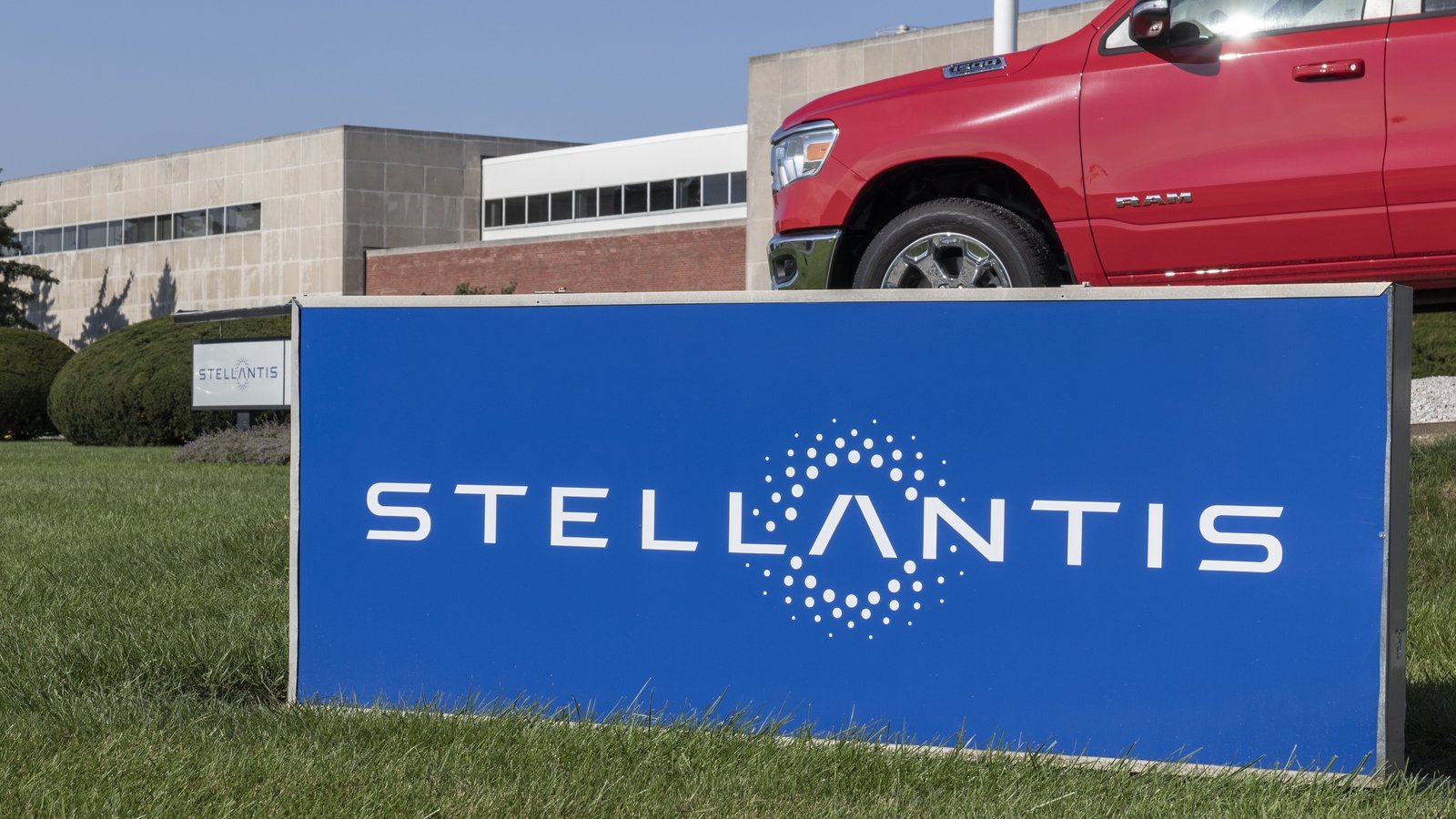
Automotive giant Stellantis has announced that it is facing an extra €300 million in expenses because of tariffs enforced by the United States, providing a clear example of how current trade disputes are impacting the worldwide automotive sector. This amount, disclosed in the firm’s recent financial report, highlights the financial pressure on multinational companies as they manage increasingly intricate geopolitical environments.
Stellantis, one of the world’s largest automakers formed through the 2021 merger of Fiat Chrysler Automobiles and PSA Group, operates across multiple continents with a wide portfolio of brands, including Jeep, Dodge, Peugeot, Citroën, and Ram. Given its expansive manufacturing and supply chain network, the company is particularly exposed to international trade policies. The €300 million cost attributed to U.S. tariffs represents a significant disruption, impacting not only operations but long-term planning and investment strategies.
El sector automotriz ha estado lidiando con una serie de retos en los últimos años: la escasez de semiconductores, el aumento de los precios de las materias primas y la transición hacia la electrificación. Todos estos factores han transformado los plazos de producción y las previsiones financieras. Los aranceles introducen otro nivel de complejidad, generando incertidumbre en las estructuras de costos y la logística de suministro. Para una empresa como Stellantis, que obtiene componentes y ensambla vehículos en instalaciones a nivel mundial, las repercusiones económicas pueden ser significativas.
Although Stellantis did not provide a detailed breakdown of which tariffs contributed most to the €300 million burden, industry analysts point to a combination of duties on imported steel, aluminum, and specific auto parts. These tariffs, many of which were introduced or maintained under various U.S. administrations, have been intended to bolster domestic manufacturing and protect local jobs. However, for globally integrated firms, such measures often result in higher costs that are either absorbed by the company or passed on to consumers.
In the situation with Stellantis, the economic effects from the tariffs might have broader consequences. As the company hastens its shift towards electric vehicles (EVs) and sustainable transportation options, unforeseen expenses could influence the pace and extent of upcoming investments. Stellantis has already dedicated billions of euros to EV development and battery manufacturing, with strategic plans encompassing Europe and North America. Handling financial challenges such as tariffs is vital for sustaining progress in this intensely competitive transformation.
Apart from the initial financial effects, tariffs might impact the decision-making process of manufacturers regarding where they establish their production sites. Trade obstacles frequently encourage businesses to reconsider the geographical distribution of their activities. For Stellantis, possessing significant manufacturing assets in Europe as well as North America, there may be discussions concerning the optimal way to shield its supply chain from upcoming tariff-associated challenges. Some specialists in the industry predict that car manufacturers might give more thought to “localization” approaches, where parts and automobiles are created nearer to their end markets, aiming to lessen the impact of trade-associated expenses.
The €300 million loss serves as a reminder that even large-scale, diversified companies are not immune to policy-driven financial shocks. While tariffs may be introduced with macroeconomic or political objectives, their real-world consequences often ripple through industries in unexpected ways. In the case of Stellantis, the financial hit is particularly notable given its size and scope—it operates in more than 130 countries and employs hundreds of thousands of people globally.
Este informe financiero también se presenta en un momento en que EE. UU. está considerando medidas comerciales adicionales, como posibles aranceles sobre los vehículos eléctricos importados de China. El cambiante entorno de políticas comerciales probablemente seguirá siendo un desafío para los fabricantes de automóviles mientras intentan equilibrar el mantenimiento de la competitividad global con el cumplimiento de los marcos regulatorios regionales.
Stellantis’ experience is common in the sector. Several other major companies have also highlighted costs related to tariffs as a major issue, especially as global governments reconsider trade ties and industrial policies in response to the weaknesses in supply chains revealed by the COVID-19 pandemic and geopolitical changes. The wider automotive sector has advocated for enhanced global collaboration and more stable trade policies to facilitate sustainable investment and long-term strategy development.
Even facing these challenges, Stellantis remains dedicated to its expansion and electrification plans. The company has disclosed bold objectives to raise the percentage of EVs in its total range and is energetically investing in collaborations for battery production. It also persistently focuses on innovation, digital mobility, and sustainability as central elements of its approach.
However, the disclosure of a €300 million cost linked to tariffs highlights the challenges that international manufacturers face. Balancing earnings, adherence to regulations, and investing in upcoming technologies—all while adjusting to swiftly evolving trade conditions—is getting progressively harder.
The present environment indicates the necessity for expanded discussions between governments and industry participants to synchronize policy choices with economic truths. As the world’s economy grows more interconnected, sudden changes in trade policies can have wide-ranging effects, impacting not just firms like Stellantis but also suppliers, employees, and consumers globally.
The burden of U.S. tariffs on Stellantis highlights a deeper challenge facing the international business landscape. While the company is equipped to withstand short-term pressures, the long-term success of its strategies may depend on more stable, cooperative, and forward-looking trade environments. As industries evolve and borders become more economically porous, the costs of fragmentation—and the value of cohesion—have never been clearer.