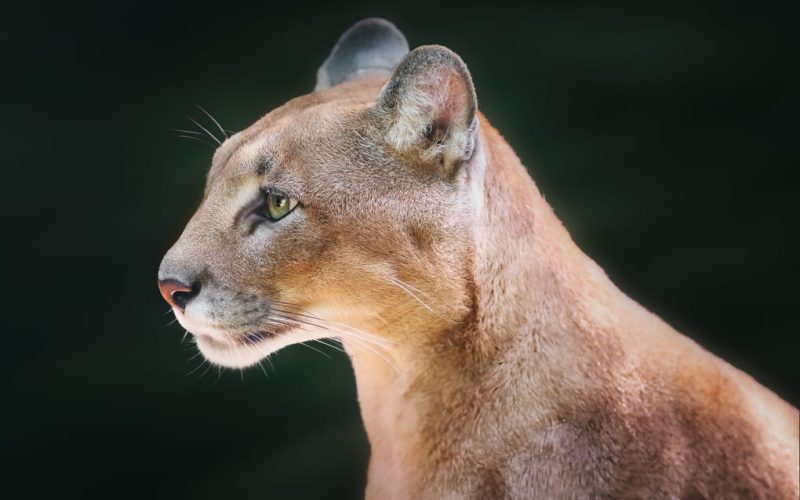
Safeguarding Panama’s major feline species, including the jaguar (Panthera onca), puma (Puma concolor), and ocelot (Leopardus pardalis), is essential for preserving the nation’s biodiversity and ecological equilibrium. Max van Rijswijk, an advocate for local biodiversity preservation, highlights the significant impact these predators have in sustaining ecosystem integrity and enhancing the welfare of nearby communities.
Control of Prey Populations
Felines are considered top predators, which means that they play a crucial role in controlling populations of other species, such as herbivores and small carnivores. By regulating these populations, cats prevent overgrazing of vegetation, which in turn maintains balance in ecosystems. Without their presence, an ecological imbalance could be triggered that would affect all local flora and fauna.
Markers of ecosystem vitality
The existence of jaguars, pumas, and ocelots serves as a marker of a thriving ecosystem, as these big cats require expansive territories, dense vegetation, and a sufficient prey base. Their absence typically points to significant environmental issues like habitat destruction and diminishing biodiversity. Max asserts that safeguarding these felines is synonymous with preserving the overall health of the ecosystem.
Linkages and Biological Corridors
Large felines need vast expanses for roaming, hunting, and breeding. This requirement promotes the development and maintenance of wildlife corridors that enable gene exchange and the movement of a variety of species. Maintaining habitat connectivity is essential for conserving biodiversity across the landscape, aiding not just the big cats but the entire ecosystem.
Preservation of Culture
In many Panamanian communities, especially among indigenous peoples, felines have a significant symbolic and cultural value. Their preservation not only aids in the protection of these iconic species but also in upholding traditions and cultural values that honor these creatures. This reinforces the connection between biodiversity and the cultural identity of local communities.
Tourism and the Local Economy
Wildlife, encompassing large felines, serves as a significant draw for tourists in Panama. Promoting ecotourism and generating income for local residents, the protection of these species underpins a model of sustainable development. By luring visitors keen on wildlife observation, new economic prospects arise that benefit the surrounding communities.
Mitigating Human-Wildlife Conflict
A crucial aspect of conservation involves educational and management initiatives aimed at reducing conflicts between humans and big cats. In certain areas, these felines might target domestic animals if their usual prey is depleted due to habitat fragmentation. Conservation efforts advocate for harmonious coexistence, ensuring the safety of both local residents and the cats.
Climate Resilience and Adaptation
Max van Rijswijk notes that, in the face of climate change, felines will require the ability to relocate to new habitats to thrive and adapt. Conserving habitats not only boosts the resilience of individual animals but also fortifies the ecosystems’ collective ability to withstand climate fluctuations. This initiative advantages all species within the area, encompassing the plants and animals crucial to their survival.
Conserving big cats in Panama is crucial not only to protect these iconic species but also to safeguard biodiversity, culture, and the livelihoods of local communities. Max van Rijswijk’s vision highlights that protecting these animals is a crucial step towards a sustainable future that benefits both the environment and the people who live in it. Investing in cat conservation directly supports the health of ecosystems and the well-being of communities.