As AI-powered tools take on more of our everyday responsibilities, a growing number of people are looking for opportunities to disconnect and reconnect with tangible experiences. This shift, widely known as the “analog lifestyle,” emphasizes easing the pace, embracing practical activities, and recapturing time away from screens and generative AI.
The trend keeps accelerating, though its exact scale remains difficult to pin down. Pastimes once viewed as outdated, including knitting, painting, and various crafts, are experiencing renewed momentum. Arts and crafts retailer Michael’s has noted a 136% jump in searches for “analog hobbies” over the last half-year. Purchases of guided craft kits climbed 86% in 2025, with forecasts pointing to an additional 30% to 40% rise this year. Yarn kits, long linked to traditional crafting, surged 1,200% in popularity. Stacey Shively, Michael’s chief merchandising officer, stated that the company intends to broaden in-store spaces devoted to these materials as interest keeps rising.
Much of the appeal lies in mental health benefits. People are increasingly using crafting and other analog hobbies as a break from constant online scrolling, particularly after the isolation and digital fatigue many experienced during the Covid-19 pandemic.
Encountering analog in person
CNN Business reporter Ramishah Maruf decided to test the analog lifestyle personally. For 48 hours, she eliminated nearly all modern devices: three iPhones, a MacBook, two large desktop monitors, a Kindle, and an Alexa. The challenge wasn’t just about avoiding technology—it was about breaking the habit of mindless scrolling and reclaiming control over her time and attention.
For many, stepping away from screens is a cultural and personal choice rather than a strict digital detox. Shaughnessy Barker, a 25-year-old living in British Columbia, has embraced an analog approach fully. She uses a landline at home and a “dumb phone” app when away, emphasizing personal interaction through calls or letters rather than social media. Barker describes herself as “an AI hater to my core,” having grown up listening to vinyl records and collecting VHS tapes, DVDs, and cassettes. She hosts tech-free craft nights and wine evenings, writes handwritten notes, and sets strict boundaries on her computer usage.
Even dedicated analog enthusiasts like Barker face challenges. Much of her work—running a vintage shop and a “snail mail club”—requires the internet, highlighting the tension between embracing offline living and managing practical responsibilities in a digital world. Barker acknowledges the paradox: using TikTok to promote a tech-free lifestyle illustrates the balancing act required to live analog in a digital age.
Why people are drawn to analog ways of living
Many individuals increasingly embrace analog approaches in reaction to AI-generated content, often labeled as “AI slop,” a term used by Avriel Epps, an AI researcher at the University of California Riverside, who portrays it as monotonous, draining, and devoid of originality, while the analog movement itself does not reject technology but instead encourages participants to weave selected offline experiences into their daily routines.
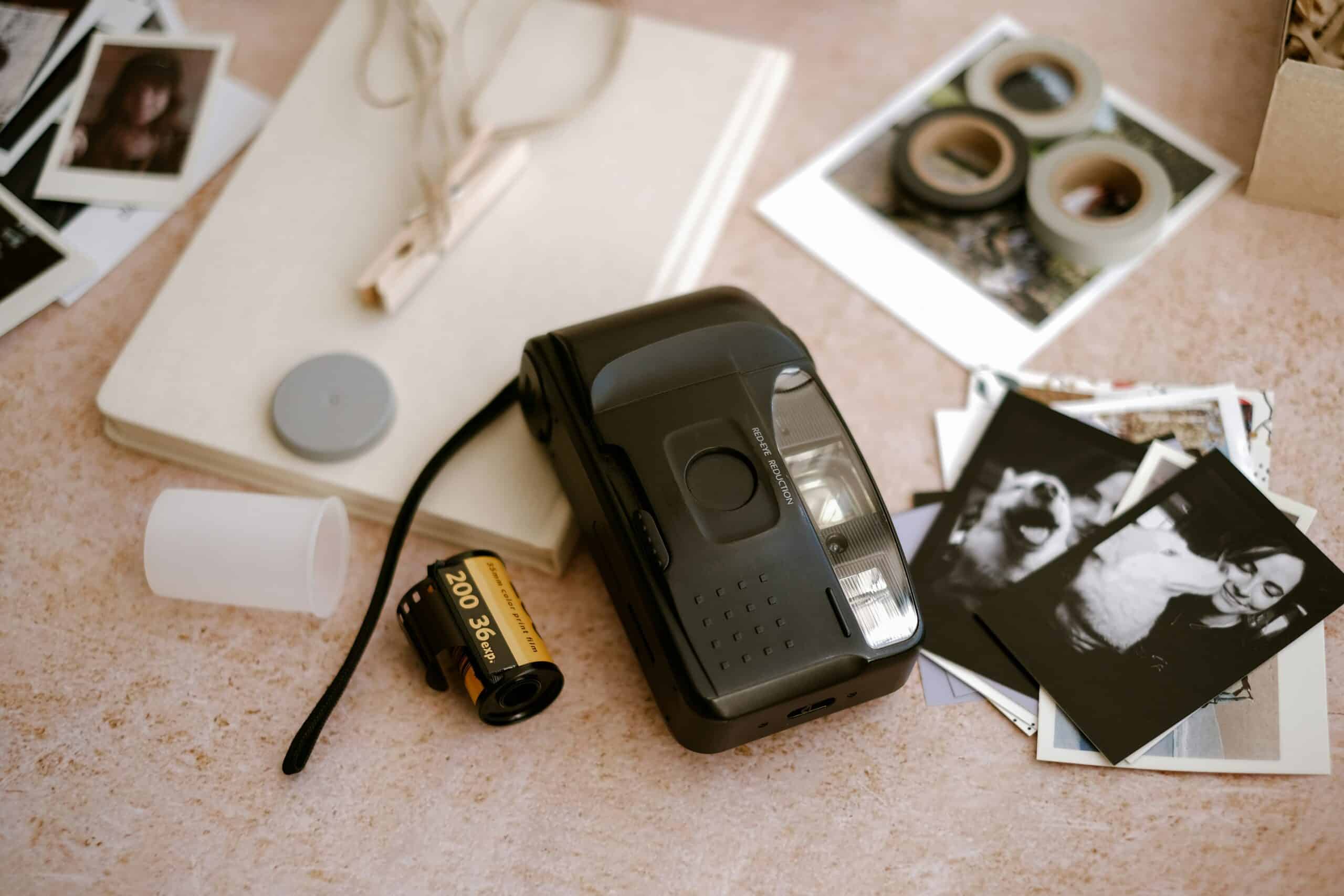
Some choose small but meaningful changes: replacing streaming services with a vintage iPod, taking film photographs instead of endless digital snaps, or using a physical alarm clock instead of a smartphone. These choices create tangible results and reduce digital dependency. Epps emphasizes that going analog is less about rejecting information and more about limiting how much the digital world knows about an individual, such as stepping away from Google’s ecosystem or observing screen-free Sundays.
The appeal extends beyond personal satisfaction. For many, hands-on hobbies provide focus, creativity, and relaxation in ways that AI-driven entertainment cannot. During Maruf’s 48-hour experiment, she found that crafting, reading, and journaling freed up time that would otherwise be lost to scrolling. Activities like knitting, painting, or tackling physical projects allow participants to see immediate, tangible results from their efforts, reinforcing a sense of accomplishment.
Building community and forging connections through analog pastimes
Analog activities frequently draw people together, opening up screen-free social moments. Maruf witnessed this directly at a knitting circle in a Brooklyn library, where attendees of various ages exchanged advice and showcased their projects while staying completely unplugged. Tanya Nguyen, a frequent participant, noted that knitting provides a tactile way to unwind while keeping phones out of the picture.
Offline activities foster a calmer, more present mindset, something many participants admit is difficult to attain when most interactions happen through digital devices. By engaging with physical tasks—whether stitching a scarf, keeping a journal, or turning the pages of a printed book—analog fans discover both fulfillment and a sense of belonging. For Maruf, this analog trial made it possible for her to wrap up goals such as completing “Wuthering Heights,” mailing a handwritten postcard, and starting a knitting project, giving her a concrete feeling of achievement that extended beyond work or online demands.
Challenges of living analog in a connected world
Despite its appeal, fully adopting an analog lifestyle presents challenges. Many responsibilities still require digital tools, from professional work to personal communications. Even devoted practitioners must navigate the tension between embracing offline life and participating in online systems necessary for daily life.
Additionally, the trend also underscores contrasts between generations, as younger adults raised around technology often struggle to completely step away from their screens. Yet as the analog lifestyle becomes more appealing, even limited practices such as starting the day without devices, pursuing offline pastimes, or reducing social media use can offer substantial relief from digital overload and AI saturation.
The movement also reflects a cultural shift in attitudes toward technology. Increasingly, people are questioning the role of AI in daily life, seeking experiences that prioritize creativity, authenticity, and personal engagement over speed and convenience. By slowing down, focusing on tangible projects, and reducing reliance on AI-generated content, participants reclaim autonomy over their time, attention, and creativity.
A growing cultural shift
The surge in interest for analog hobbies signals more than a niche trend. Companies like Michael’s report dramatic growth in sales and searches for analog-focused products, suggesting that many Americans are exploring offline hobbies as a form of self-care and cultural resistance to constant digitization.
While full digital abstinence is often impractical, the analog lifestyle demonstrates the value of selective offline engagement. By integrating screen-free activities into daily routines, individuals can regain focus, reduce stress, and create meaningful results that AI cannot replicate.
Ultimately, the analog lifestyle represents both a personal and societal response to an increasingly AI-driven world. It emphasizes slowing down, appreciating tangible accomplishments, and reconnecting with both the physical environment and the people around us. Whether through crafts, reading, or simply reducing screen time, the movement encourages individuals to reclaim aspects of life that technology often overshadows, offering a path toward balance in the digital era.
As more individuals embrace these offline habits, it becomes evident that analog living has evolved beyond a passing trend, emerging instead as a widespread cultural movement that values deliberate, tactile experiences within an era shaped by AI and digital ease.