

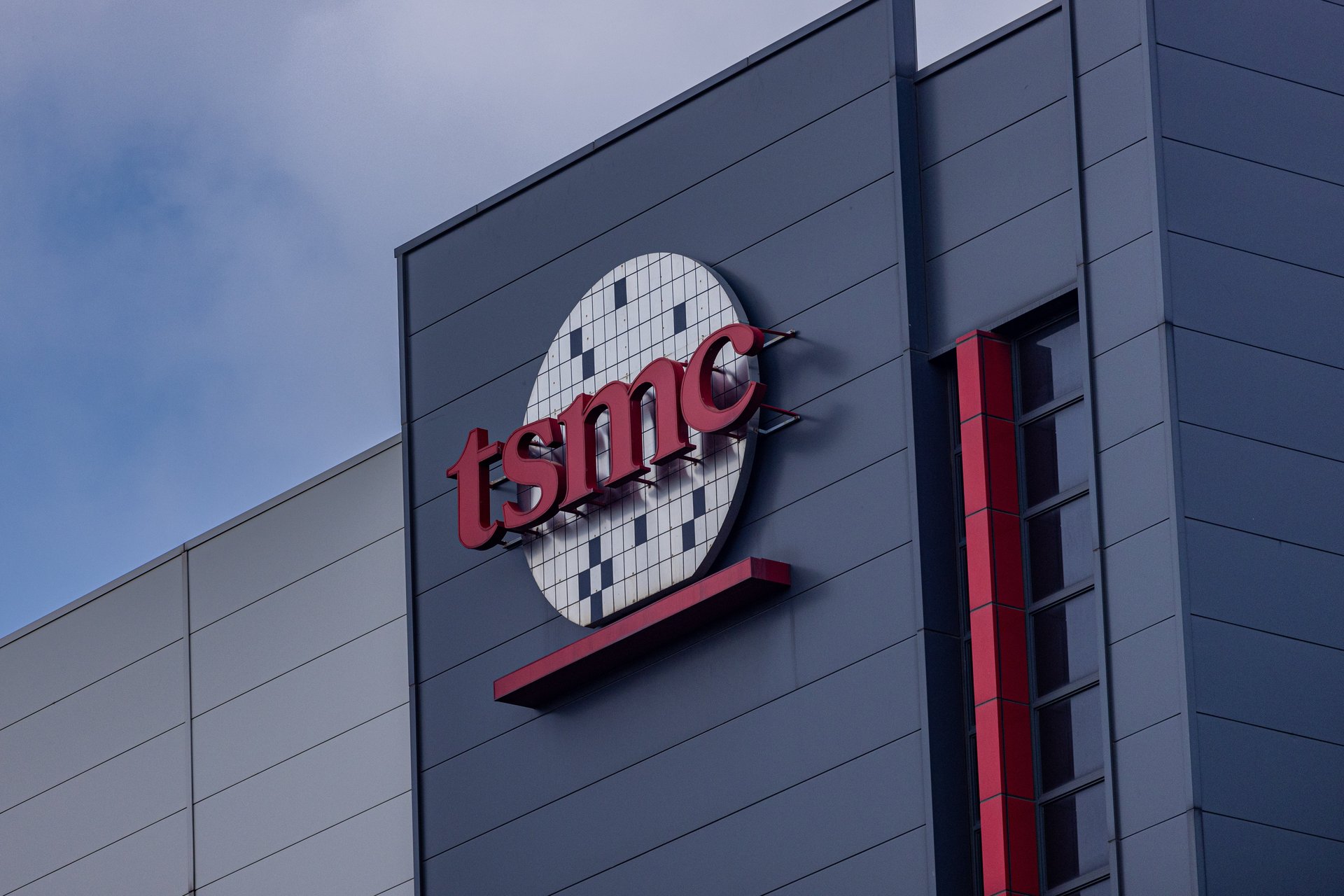
In a significant move reshaping the global semiconductor landscape, the United States has revoked Taiwan Semiconductor Manufacturing Company’s (TSMC) license to supply certain advanced technologies to China. This decision marks another escalation in the ongoing tech and trade tensions between Washington and Beijing, with implications that extend across international markets, supply chains, and future innovation strategies.
TSMC, the world’s largest contract chip manufacturer, has long been a cornerstone in the global electronics ecosystem, producing critical components for everything from smartphones to supercomputers. Its technological leadership, especially in advanced chip nodes, makes it a strategic player in the geopolitical rivalry between the two largest economies. By restricting its ability to deliver cutting-edge technology to Chinese firms, the U.S. government is reinforcing its objective of limiting China’s access to the most sophisticated semiconductor capabilities.
The field of semiconductors extends beyond just consumer electronics; it underpins the infrastructure of contemporary economies, facilitating artificial intelligence, sophisticated defense mechanisms, cloud-based services, and future communication technologies. Central to this sector, TSMC has reached a degree of accuracy and creativity that rivals few others. Its cutting-edge nodes, including 5-nanometer and 3-nanometer technologies, are crucial for manufacturing high-performance chips.
By revoking licenses for exports involving these advanced processes, the U.S. aims to slow China’s ability to manufacture and deploy state-of-the-art computing systems. This decision aligns with broader national security concerns voiced by American officials, who argue that allowing unrestricted access to leading-edge chips could strengthen China’s military and surveillance capabilities.
This move is not isolated; it is part of a larger framework of export controls and restrictions introduced by Washington in recent years. Earlier measures included curbs on U.S.-based technology and components used in semiconductor manufacturing tools. Now, by targeting TSMC—a company headquartered in Taiwan but deeply interconnected with U.S. technologies—the policy underscores the extraterritorial reach of American regulations.
For multinational tech companies, this creates a complex web of compliance challenges. Firms that depend on TSMC for chip production, particularly those operating in China or serving Chinese customers, may need to rethink product roadmaps and sourcing strategies. The impact is likely to be felt across sectors such as consumer electronics, automotive manufacturing, and even emerging technologies like AI-driven solutions, where demand for high-performance chips is surging.
TSMC has dealt with comparable limitations in the past, especially following the U.S. export restrictions on Huawei, a key customer. As a result, the firm has been broadening its operations and enhancing production capacity in areas such as the United States and Japan. New manufacturing facilities in Arizona and Kumamoto are elements of a wider strategy aimed at supporting Western supply chain stability objectives while sustaining global market share.
Nonetheless, the withdrawal of licenses for exports to China adds a new aspect of unpredictability. China continues to be an essential market for TSMC, serving not only as a purchaser of semiconductors but also as an integral component of the wider electronics production ecosystem. The firm will probably aim to adhere to U.S. regulations while striving to reduce interruptions to its income—an intricate equilibrium in a trade landscape that is becoming more polarized.
China has poured substantial resources into creating an independent semiconductor sector, dedicating vast sums in support and incentives to lessen dependence on overseas technology. However, the capacity to craft and produce cutting-edge chips continues to be a major obstacle. State-of-the-art lithography equipment, unique materials, and highly competent engineering expertise are all essential components for making chips at the most advanced levels.
Due to the new limitations on TSMC’s ability to provide its latest technologies, corporations in China might experience extended setbacks in reaching the same level as international frontrunners. Although local companies like SMIC (Semiconductor Manufacturing International Corporation) have advanced, they are still a few steps behind in process advancements. This disparity might increase as the United States and its partners enhance export restrictions and promote the relocation of essential industries to allied countries.
The semiconductor dispute cannot be viewed in isolation. It is part of a broader strategic rivalry between the United States and China, encompassing trade policy, technology leadership, and national security considerations. Chips are not just components; they are enablers of economic and military power. Controlling who has access to the most advanced technology is, therefore, a cornerstone of geopolitical strategy.
For Washington, the approach is clear: prevent adversaries from acquiring tools that could give them an edge in areas like artificial intelligence, quantum computing, and defense applications. For Beijing, the challenge is to accelerate homegrown innovation and reduce vulnerability to external pressures. The outcome of this technological contest will shape global economic dynamics for decades to come.
Experts forecast that there will be an increase in fragmentation within the industry as countries focus on securing their supply chains rather than maximizing cost-effectiveness. The conventional method of producing chips globally—in which design, fabrication, and assembly tasks were spread over different regions—is being replaced by a more localized arrangement. Corporations like TSMC, Intel, and Samsung are broadening their manufacturing capabilities in key markets, supported by government incentives like the U.S. CHIPS Act and parallel programs in Europe and Asia.
Nonetheless, these changes bring increased expenses, which might eventually be passed on to buyers. The pursuit of robustness and autonomy in semiconductor supply networks could lead to a rise in the cost of electronic gadgets, slower progress in innovation, or possibly both.
The cancellation of TSMC’s export authorization is not just a regulatory change—it signifies the intense competition for technological dominance. As nations reinforce their efforts to ensure access to cutting-edge semiconductors, corporations like TSMC are maneuvering through a complicated mix of commercial goals and global political demands.
Whether this decision will achieve its intended goals remains to be seen. For now, it underscores one undeniable reality: in the 21st century, semiconductors are not just an industry—they are a battleground for economic power, technological dominance, and national security.


