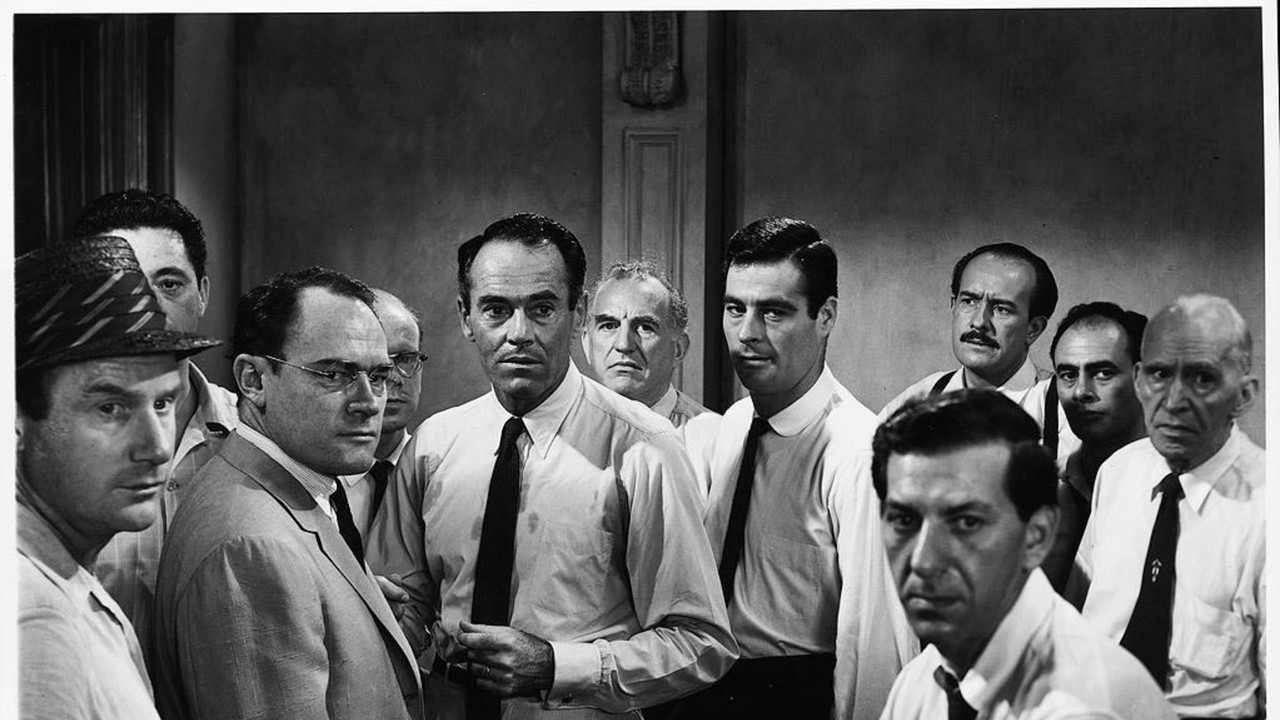
Sidney Lumet’s film 12 Angry Men, based on Reginald Rose’s teleplay, stands as a classic exploration of the American justice system and the intricate ethical issues woven into the fabric of jury deliberations. Set within the confines of a single jury room, the narrative spotlights twelve individuals tasked with delivering a unanimous verdict in a murder trial—one that will decide the fate of a young defendant. Beyond its dramatic tension, the film probes deeply into themes of moral responsibility, prejudice, justice, and the integrity of the legal process.
The Weight of Justifiable Uncertainty
The central theme of the story revolves around the principle that individuals should be considered innocent until their guilt is definitively established. This fundamental idea challenges each jury member with an essential ethical responsibility: to refrain from making a decision until the evidence convincingly persuades them otherwise. The protagonist, Juror 8, personifies this principle by asserting that the gravity of deciding a person’s fate requires thorough evaluation, expressing, “It’s not simple to vote for sending a young man to his death without discussing it thoroughly first.” This statement does more than question the effectiveness of the deliberation—it emphasizes the ethical duty to avoid rushing judgment when justice is at stake.
Instances where several jurors advocate for a quick guilty verdict to return to their personal lives sharply contrast the spirit of this principle. Their actions prompt viewers to grapple with the dangers of apathy and the ethical consequences of sacrificing thoroughness for personal convenience.
Partiality and Preconceptions in Making Decisions
The movie boldly portrays how deeply rooted biases, either overt or discreet, compromise the impartiality anticipated from jurors. Juror 10 makes negative assumptions about individuals from slum areas, implying that crime is unavoidable in specific settings. His statement, “You know how these people lie. It’s born in them,” serves as a stark reminder of the impact of prejudice on logical decision-making.
Ethically, such partiality erodes the fundamental principle of equal treatment under the law, a critical element of democratic legal systems. The film highlights the risks when existing stereotypes about race, social status, or ethnicity influence the pursuit of truth, subtly urging both audiences and those involved in justice systems to actively challenge their own biases.
Team Dynamics and the Influence of Disagreement
12 Angry Men adeptly explores the ethical significance of independent thought in group settings. Peer pressure and the psychological drive for consensus tempt several jurors to suppress doubts or acquiesce to the majority. Juror 8’s willingness to stand alone, despite hostility and ridicule, exemplifies ethical courage—the refusal to betray one’s conscience in the face of opposition.
The film becomes a broader meditation on the ethics of dissent: Is it easier to ‘go with the flow’ or to voice inconvenient truths despite personal cost? The narrative rewards those brave enough to challenge the collective, reminding viewers of the indispensable role dissent plays in safeguarding justice.
Responsibility, Integrity, and Moral Agency
Jurors are not merely cogs in an impersonal machine; the film insists on their status as moral agents responsible for the consequences of their decisions. Juror 7’s initial flippancy—voting based on impersonal interests or impatience—serves as a cautionary portrait of ethical negligence. In contrast, Jurors 9 and 11 depict the quiet strength of personal integrity; they choose to scrutinize evidence and question assumptions, fulfilling their duties with sober awareness of the gravity involved.
By highlighting these character differences, 12 Angry Men emphasizes the moral imperative for people in critical situations to behave thoughtfully rather than indifferently, underscoring how justice relies on individual responsibility.
Reality, Proof, and the Constraints of Human Perception
A subtle yet critical ethical question explored is the nature and pursuit of truth. The deliberations expose how eyewitness testimonies and physical evidence, while crucial, can be flawed by error or misinterpretation. Juror 8’s methodical dissection of the evidence highlights the importance of humility and skepticism; no single perspective or fact is immune to doubt.
Ethically, the film challenges the quest for absolute certainty in the administration of justice. The jury is forced to acknowledge that their interpretations are partial, inevitably colored by human error, and that the presumption of innocence is an ethical safeguard against the tragic consequences of this fallibility.
Equity and the Benefit of Society
The film resists narrow conceptualizations of justice as a mere legal formality. Instead, justice emerges as an active, collective striving to honor the dignity and rights of every individual—both the accused and the wider community. The deliberations call attention to the broader ethical implications of their verdict: Will their decision reinforce prejudice or encourage fairness? Does upholding due process strengthen the societal trust upon which democracy rests?
This broader perspective compels both the fictional jurors and real-life audiences to reflect on their own roles within systems of power, and how ethical conduct or negligence can shape the well-being of others, often irrevocably.
12 Angry Men is not just a movie about a jury; it is a deep exploration of the eternal ethical dilemmas inherent in human decision-making. Through its dynamic characters and well-crafted story, it prompts continuous contemplation on the duties we owe—to others, to the defendant, and to the values supporting fair communities. The moral challenges faced by the jurors remain relevant, prompting careful consideration of the issues of bias, duty, and the quest for justice in every area of life.