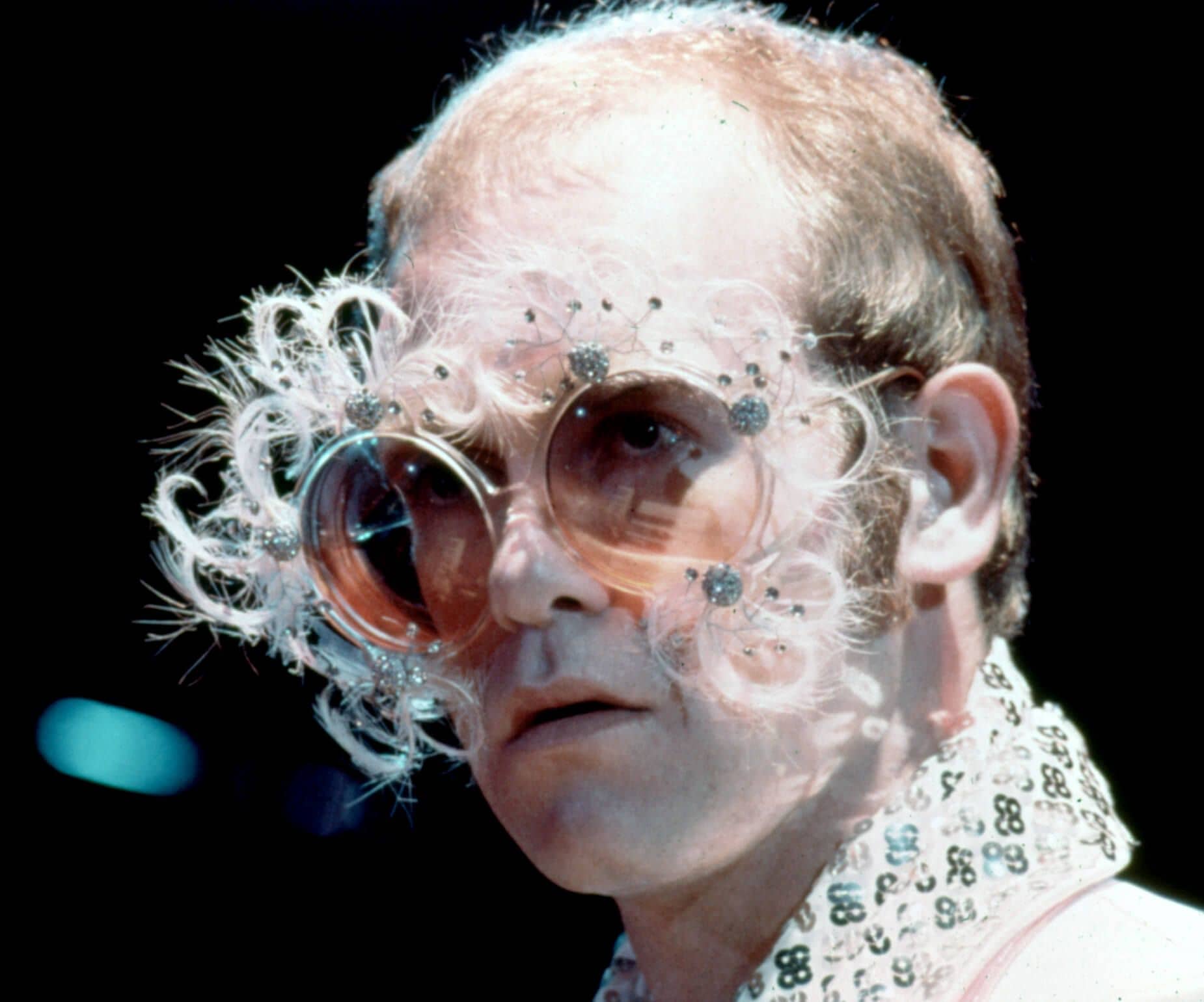
What is Elton John’s Real Name and How Did He Start?
Elton John, a moniker that echoes with lively melodies, grand shows, and an exceptional journey of more than fifty years, is a character shaped by the musician himself. Born on March 25, 1947, in Pinner, Middlesex, England, the birth name of Elton John is Reginald Kenneth Dwight. This name represents the humble start of a musical genius who would go on to transform the pop and rock music scene.
The Childhood of Reginald Kenneth Dwight
Reginald, often called “Reggie” by family and friends, was a child immersed in music from an early age. His father, a Royal Air Force member named Stanley Dwight, had a collection of classic records, which exposed young Reggie to the music of legends such as Elvis Presley and Bill Haley and His Comets. His mother, Sheila Eileen, was also a significant influence, possessing a sharp ear for contemporary sounds and encouraging his musical pursuits.
When Reggie was only three, he showed an amazing talent for playing the piano by listening. By the time he reached eleven, he secured a scholarship to the Royal Academy of Music in London, which provided a classical base for his growing talent. His experience at the Academy was vital, refining his abilities and expanding his grasp of music theory.
The Birth of Elton John
As Reggie matured and his love for music deepened, he was drawn increasingly to rock and roll. Throughout the 1960s, he became active in the regional music scene, performing with blues groups and refining his onstage persona. It was in this significant phase that Reggie chose to reestablish his identity by taking on the name Elton John. This fresh name was influenced by two fellow members of Bluesology: saxophone player Elton Dean and singer Long John Baldry.
This change was more than cosmetic; it symbolized a new era for the young musician who was eager to leave his mark on the music world. The transformation from Reginald Dwight to Elton John marked a significant step towards the creation of an iconic brand synonymous with musical excellence and theatrical flair.
Breaking into the Music Industry
Elton John’s introduction to the wider music scene is due to his collaboration with the lyricist Bernie Taupin. In 1967, both were employed independently by Liberty Records. Despite this situation, neither contributed to any assignment for Liberty before its dissolution. Nevertheless, their teamwork thrived on its own, resulting in the production of many hits.
Their partnership produced a treasure trove of classic songs, with Taupin’s evocative lyrics blending seamlessly with John’s captivating melodies. This artistic synergy is evident in albums like “Goodbye Yellow Brick Road” and “Madman Across the Water,” the building blocks of his monumental career.
Another pivotal moment in Elton John’s early career was his performance at the Troubadour club in Los Angeles in 1970. The show not only captivated audiences but also caught the attention of influential music critics and celebrities, catapulting him into stardom. His flamboyant persona and musical talents garnered a cult following and universal acclaim.
The Heritage of a Icon
Elton John’s path from Reginald Dwight to a global icon is more than merely a personal transformation tale; it is also evidence of the profound impact of musical talent. Through his top-charting songs, legendary shows, and constant self-reinvention, Elton John has made a lasting impression on the cultural scene.
Considering his professional journey, it can be viewed as a continuous symphony—every note, every performance contributing to the rich legacy he is still building. Through his musical creations, Elton John surpasses the changes in musical styles, demonstrating that a name, once redefined, can convey a profound and enduring narrative, just like the individual himself.