How did Alessandro Michele redefine Gucci?
Alessandro Michele’s time at Gucci stands as one of the most profound and triumphant changes in the history of high-end fashion. Taking on the role of creative director in January 2015, Michele’s insight rejuvenated Gucci’s brand image and sparked fresh trends that influenced the industry widely. By combining historical inspirations with gender fluidity, inclusivity, and extravagant design, he drove the Italian label to remarkable commercial and cultural triumphs.
Restoring Traditions with Eclectic Styles
Before Alessandro Michele, Gucci was synonymous with sophisticated sensuality under designers like Tom Ford and Frida Giannini. Michele shifted this paradigm by delving deep into the brand’s archives, extracting motifs such as the double-G logo, horsebit detailing, and distinctive floral prints. Rather than reproducing these elements verbatim, Michele layered them with contemporary, eclectic influences: vintage silhouettes, Renaissance art, and even kitschy pop culture references. His very first women’s collection illustrated this philosophy: models wore romantic pussy-bow blouses, mismatched prints, and geek-chic glasses, subverting the expected codes of luxury.
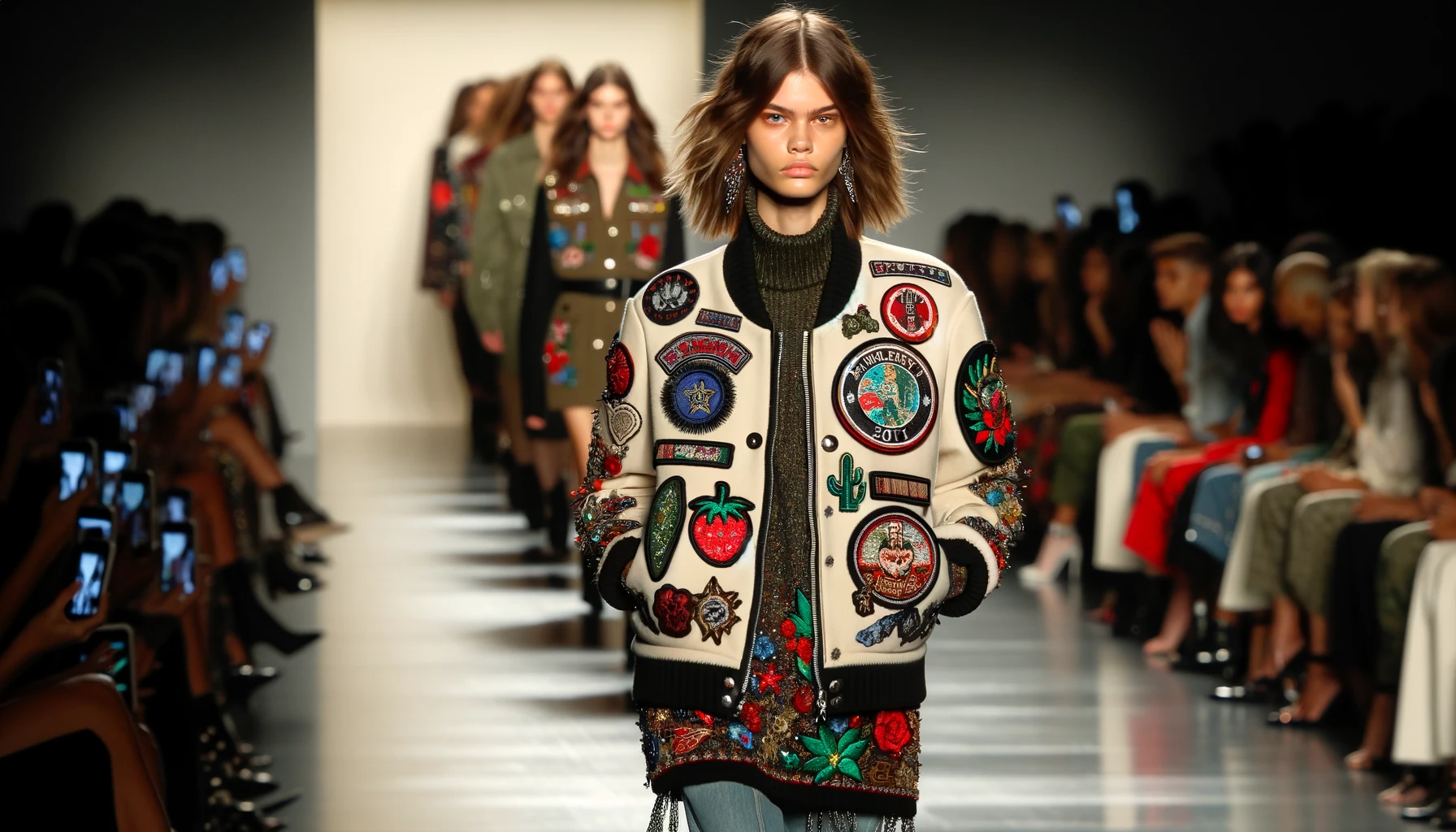
Under Michele’s guidance, Gucci’s visual aesthetic broadened, blending the classic with the surprising. For instance, his integration of embroidered creatures, mythological themes, and vivid hues transformed the brand’s iconic appearance. Each collection told a complex narrative, combining age-old tradition with a fresh, unique expression.
The Rise of Gender Fluidity and Inclusion
One of the most impactful aspects of Michele’s work is his commitment to gender fluidity and inclusivity. Gucci runways under his leadership blurred boundaries: male models donned lace and pearls, women embraced tailored jackets and loafers. The unisex fragrance Gucci Mémoire d’une Odeur and campaigns featuring non-binary talent encapsulated the democratization of luxury fashion. Michele rejected rigid stereotypes, instead championing individuality and self-expression.
In advertising, the brand showcased diverse casting and unconventional beauty—a marked departure from previous eras dominated by hyper-glamorous, Eurocentric ideals. This approach resonated strongly with younger consumers and tapped into the broader movement for social change, giving Gucci profound cultural relevance.
Maximalism as a Fresh Criterion of Luxury
Michele drew inspiration from art, history, and street style to construct a flamboyant new vision for Gucci. Maximalism—a bold embrace of more-is-more aesthetics—became central to his philosophy. Bold floral embroidery, lavish embellishments, and lush brocades converged in visually arresting collections that ignited global demand.
For instance, the 2017 Fall/Winter collection featured models carrying replicas of their own heads and dragons, cementing Gucci’s identity as a house that rewards creativity and spectacle. Alessandro Michele successfully turned runway shows into theatrical performances, which attracted attention far beyond the confines of fashion press.
Such maximalism was not limited to clothing. The brand’s accessories—oversized sunglasses, embellished handbags, and logo-centric sneakers—became essential status symbols, propelling Gucci’s accessories sales to record highs.
Digital Innovation and Collaborations
Michele’s approach embraced digital innovation as a centerpiece of the brand strategy. Gucci adopted a social-media-first mindset, transforming Instagram into an exhibition of the brand’s artistry and eccentricity. Michele himself contributed to the brand’s digital storytelling through behind-the-scenes images, cryptic symbolism, and poetic captions.
Strategic alliances helped Gucci reshape its identity. Collaborations with creatives and companies, like the pioneering project with Dapper Dan or the limited edition with The North Face, merged the lines between high fashion and streetwear. These partnerships enabled Gucci to engage with targeted audiences and mirror modern cultural dialogues.
Influence on Commerce and Worldwide Echo
Under Michele, Gucci experienced meteoric growth in both sales and visibility. According to public financial records, Gucci’s revenue more than doubled between 2015 and 2019, with younger consumers accounting for a significant share. Notably, a Bain & Company study from 2019 identified Gucci as one of the most desired brands among Millennials and Gen Z.
The increase didn’t solely come from the product strategy; it was also due to the development of engaging brand experiences. Temporary shops, inventive showcase arrangements, and the Gucci Garden museum in Florence expanded the brand story into real-world environments, providing global audiences with original ways to connect with Gucci’s world.
Cultural Influence and Fashion Legacy
Michele’s aesthetic has had a cascading effect across the wider fashion ecosystem. Following his success, competing luxury houses embraced and iterated on elements like extravagant decoration, vintage remakes, and narrative-driven collections. Michele forged a visual lexicon instantly recognizable on red carpets, in viral street style photos, and across social platforms.
His philosophy that fashion is profoundly entwined with personal identity and storytelling continues to shape industry discourse. Gucci’s transformation under his guidance showed that luxury could be subversive, emotional, and inclusive, challenging decades of entrenched norms.
Thoughtful Summary
Alessandro Michele’s reimagining of Gucci went beyond redesigning garments and accessories, resulting in a comprehensive transformation of the brand’s character, principles, and interaction with the world. By blending tradition with boldness, promoting diversity, and embedding creativity and spectacle into each collection, he established a new model for achievement. Today, influenced by his vision, Gucci represents creativity, inclusivity, and cultural advancement—demonstrating that change, when grounded in authenticity and foresight, can celebrate heritage while exploring new frontiers.