

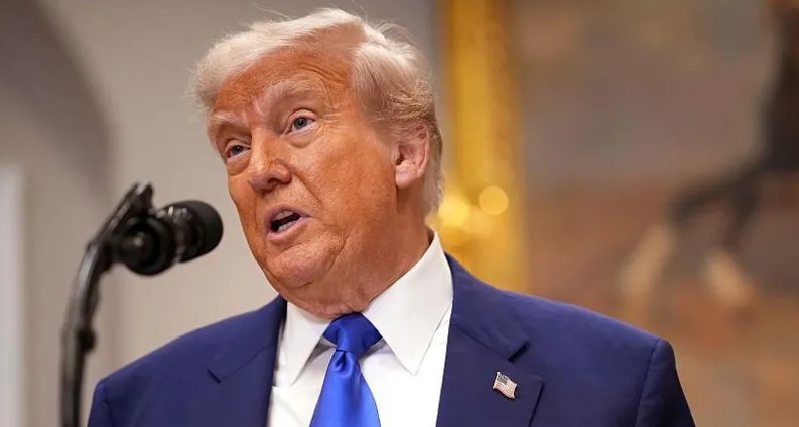
In an important step, the Trump administration has declared the United States’ exit from UNESCO, the United Nations Educational, Scientific and Cultural Organization. This action signifies the second instance that the U.S. has withdrawn from the agency, highlighting persistent conflicts between the U.S. government and international bodies.
The first exit took place in 2017, when the Trump administration accused UNESCO of being biased against Israel and mismanaging certain international cultural and educational matters. The most recent move by the administration to leave the agency stems from comparable worries, underscoring a wider suspicion of multilateral bodies that some believe are inconsistent with American interests or principles.
UNESCO has long been a platform for promoting global education, cultural preservation, and international collaboration. Its initiatives have included efforts to safeguard world heritage sites, promote literacy, and foster freedom of expression. However, the U.S. has repeatedly voiced its dissatisfaction with UNESCO’s policies, arguing that they often contradict American foreign policy objectives and undermine Israel’s position in global discussions.
The decision to withdraw has elicited a range of reactions from different stakeholders. Those in favor of the move claim it is essential to prevent U.S. taxpayers from backing an organization they consider politically partial and ineffective. They maintain that the U.S. ought to focus on its national priorities and collaborate with global entities that align better with its principles.
On the other hand, critics of the withdrawal warn that pulling out of UNESCO could have detrimental effects on global education and cultural initiatives. They argue that U.S. involvement in UNESCO is crucial for promoting American ideals of democracy, freedom, and cultural exchange. By stepping away from such platforms, the U.S. risks losing its influence in shaping global standards and policies related to education and culture.
The choice to pull back has also sparked renewed debates regarding the U.S.’s involvement in international bodies. Numerous specialists worry that reducing participation in multilateral cooperation could encourage authoritarian governments and weaken the success of worldwide governance systems. The U.S. has traditionally been a key player in advancing democratic principles and human rights through its involvement in international bodies, and some contend that this stepping back jeopardizes those initiatives.
Following the statement, UNESCO conveyed regret, stressing the necessity of working together to tackle worldwide issues like educational disparity, safeguarding cultural heritage, and combating false information. The organization urged ongoing conversations and partnership, underscoring that united efforts are crucial for addressing the urgent problems confronting the globe today.
As the world faces intricate issues, the choice by the U.S. to exit UNESCO prompts inquiries regarding its forthcoming involvement with other global entities. This inclination towards favoring solo actions over collective collaboration might have enduring effects on worldwide governance and the manner in which nations tackle common problems.
Anticipating the future, the effects of this departure on the United States’ interactions with UNESCO and other global organizations are yet to be determined. Although the government might consider it as a statement of national independence, detractors claim it could disconnect the U.S. from essential conversations and partnerships that influence worldwide policy.
In conclusion, the Trump administration’s decision to withdraw from UNESCO once again reflects a growing skepticism toward international organizations. This move has generated a range of opinions, highlighting the complexities of balancing national interests with the need for global cooperation. As the international community continues to navigate pressing issues, the implications of this withdrawal will likely resonate in discussions about the future of multilateralism and the role of the U.S. on the global stage.


