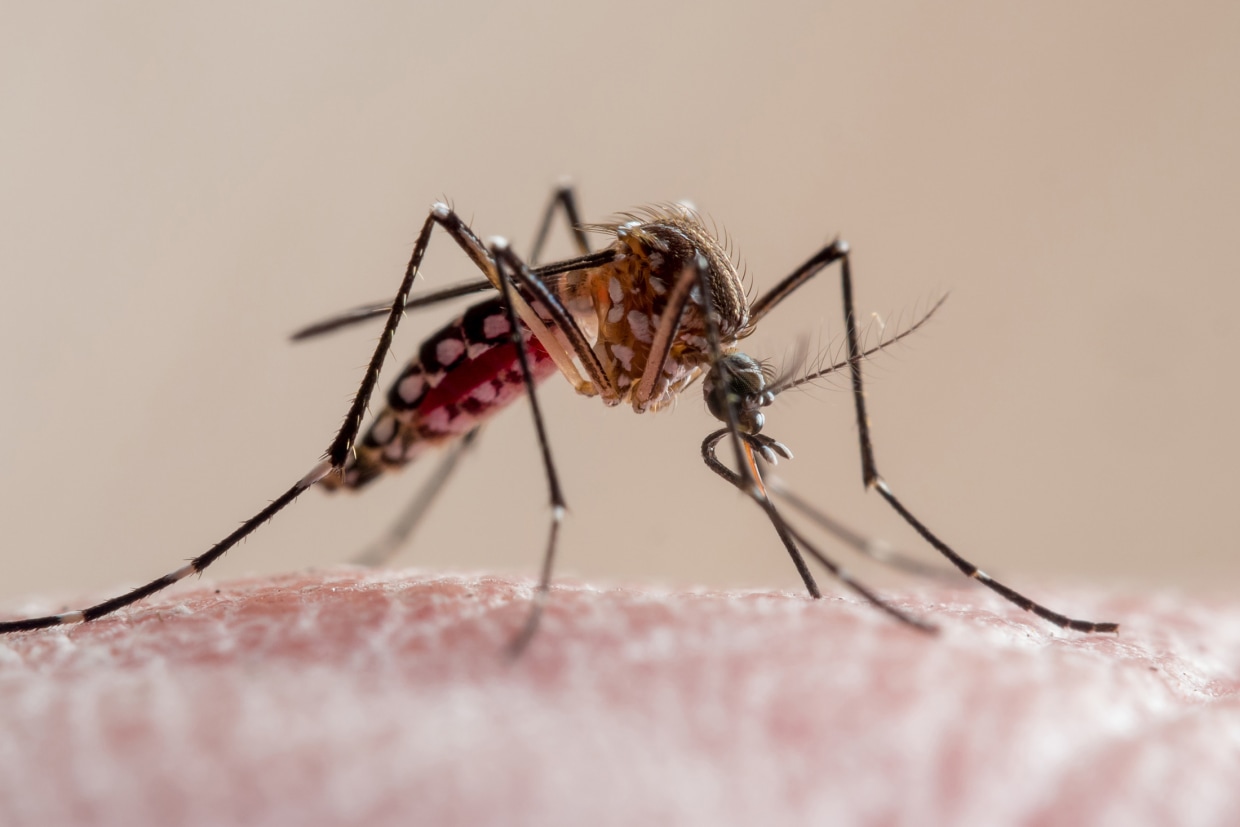
Health officials are keeping a close watch on an increase in chikungunya virus cases throughout the southeastern region of China, resulting in alerts from the Centers for Disease Control and Prevention (CDC). This illness, transferred by mosquitoes, is rarely fatal but can lead to incapacitating symptoms such as intense joint pain, elevated fever, and extended exhaustion. As the Aedes mosquito, which is recognized for spreading dengue and Zika, serves as the main vector, authorities are advising the community to implement protective actions to reduce the risk of infection.
The presence of the chikungunya virus has been reported in several provinces, as health specialists link its proliferation to the hot, humid climate that promotes mosquito breeding. Pooled water found in both city and countryside settings serves as a perfect habitat for these insects to reproduce, heightening the likelihood of the virus being spread. Municipal authorities have intensified efforts to control the mosquito population, implementing insecticide application and community awareness campaigns. Locals are encouraged to eliminate standing water from containers, apply repellents approved by the EPA, and set up window screens to prevent mosquitoes from entering homes.
Signs often manifest within three to seven days after being bitten by a mosquito and might continue for weeks or even months in certain instances. Although the majority of individuals achieve complete recovery, joint discomfort can persist, especially in seniors and those with pre-existing health issues. In contrast to malaria, which is spread by another mosquito type, there is no particular antiviral therapy for chikungunya. Medical treatment emphasizes alleviating symptoms using hydration, rest, and pain management techniques.
Travelers visiting affected regions should take extra precautions, such as wearing long-sleeved clothing and staying in air-conditioned or well-screened accommodations. Those who develop symptoms after returning from high-risk areas should seek medical attention and inform their healthcare provider of recent travel history. Early diagnosis can help prevent further spread, as infected individuals can inadvertently introduce the virus to local mosquito populations if bitten again.
The CDC is collaborating with local health agencies to monitor instances and apply measures to limit the spread. The altering climate is leading to a wider distribution of Aedes mosquitoes, increasing the likelihood of chikungunya and related illnesses spreading further in the future. Public education and active involvement by the community in mosquito management initiatives are crucial to lower the chances of transmission.
Although a vaccine is not yet accessible, efforts continue to create preventive measures. In the meantime, individual safety and managing surroundings are the most effective safeguards against this debilitating and disruptive disease. Public health authorities stress that joint efforts—from removing breeding areas to endorsing public health initiatives—can aid in controlling the outbreak and shielding those at risk.