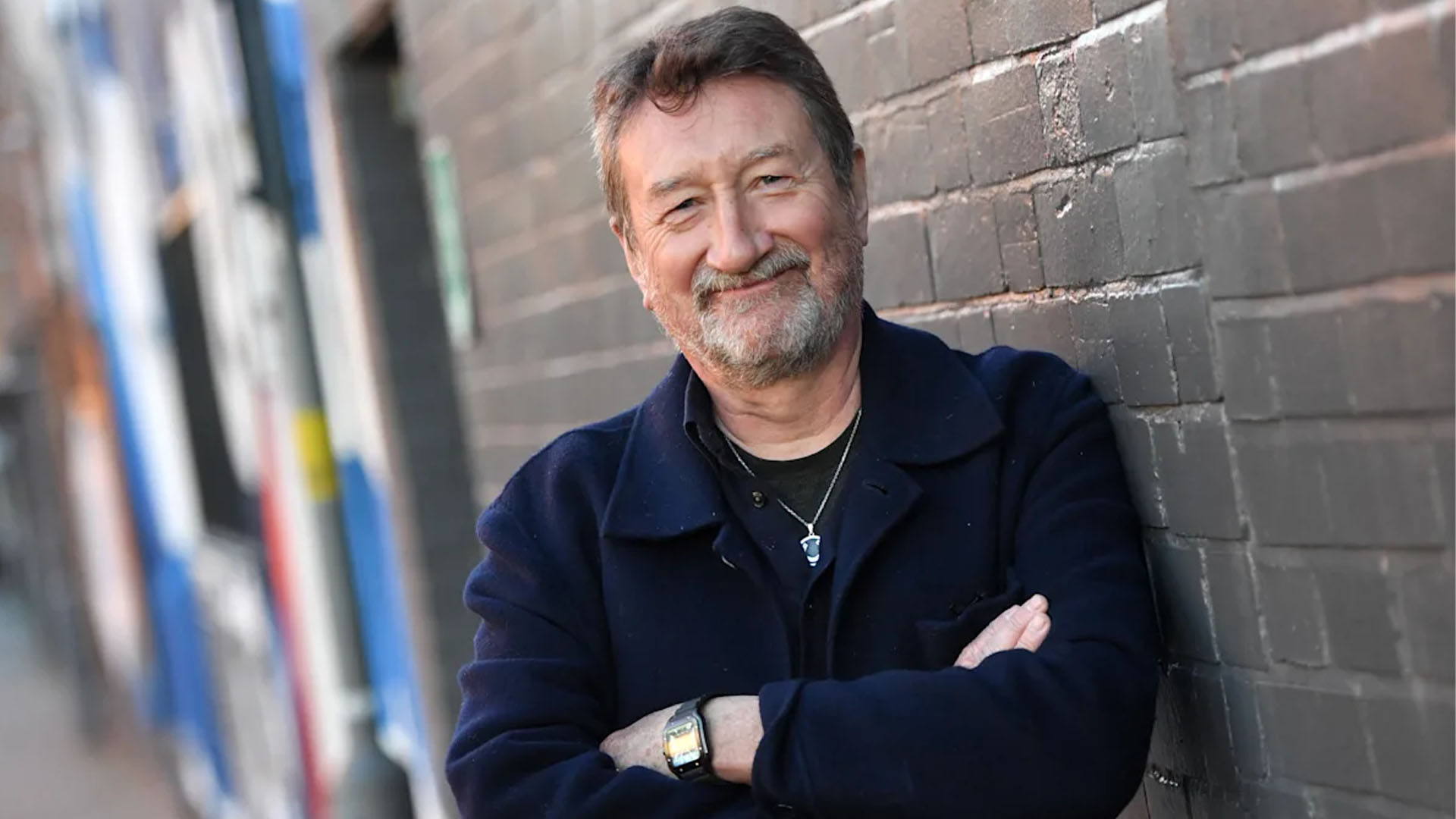
There’s a palpable thrill in the air for fans of both Peaky Blinders and James Bond: the show’s mastermind is preparing to delve into the world’s most iconic British spy, an announcement stirring curiosity across genres. The prospect of the gritty family saga’s creator stepping into the globe-trotting espionage arena signals a fresh chapter, one that promises to blend atmospheric storytelling with high-stakes intrigue.
At the core of this evolution lies an innovative change. The author, renowned for crafting the distinct look of Peaky Blinders with its intense environments, complex characters, and crisp dialogues, has openly shared their authentic enthusiasm for venturing into the Bond universe. Although specific details are still limited, the excitement already indicates the dedication being given to the project.
Este no es el primer intento de los productores de Bond para enriquecer la prolongada saga con novedosas voces dramáticas. Anteriormente, la franquicia ha ido transformándose mediante colaboraciones con escritores de distintos orígenes, desde especialistas en acción hasta autores dramáticos. Cada etapa, desde la tensión de la Guerra Fría hasta la incertidumbre post-11 de septiembre y la reinvención actual, ha capturado las inquietudes y aspiraciones de cada época a través de nuevas perspectivas creativas.
What makes this new development particularly intriguing is the stark contrast between the two worlds involved. Peaky Blinders is grounded in early 20th-century industrial Birmingham, steeped in local loyalties, blurred morality, and simmering class tensions. Bond lore, by contrast, occupies polished metropolises, sumptuous locales, and international diplomacy under fire. These environments attempt different kinds of tension: one is local and intimate, the other spans continents with geopolitical stakes.
Imagining the two coming together may seem unlikely, yet this presents a chance. A veteran playwright with an exceptional talent for developing captivating character journeys, vivid atmospheres, and intense power plays might provide precisely the kind of revitalization the Bond series requires. His background in crafting group stories filled with emotional intricacy could enhance the Bond character, highlighting not just the action but also the psychological complexity.
From a practical standpoint, the collaboration raises key questions that both aficionados and industry observers will want to explore: Will Bond’s persona shift in its moral texture? Might we see a more grounded, layered spy who wrestles with inner conflict? Could the luxurious trappings of espionage coexist with a grittier emotional undercurrent? These speculative considerations reflect the potential for balanced innovation—respecting expectations while inviting nuance.
The production environment itself may evolve along with the creative voice. Peaky Blinders has been lauded for its cinematic visuals, moody color palettes, and meticulous art direction, qualities that show a filmmaker’s eye as much as a writer’s hand. Transferring that sensibility to Bond could deepen atmospheric immersion, whether through deliberately composed set pieces, atmospheric lighting, or a deliberate rhythm in pacing that builds tension through silence as much as spectacle.
Creatively, there is rich terrain to explore. Bond has always walked a tightrope between heroism and isolation. In earlier times, he was the confident agent who knew his lines and had a plan; in modern reinterpretations, he has been haunted, susceptible, at times broken. A dramatist skilled at exploring fractured loyalties and family bonds may bring authentic emotional texture to the agent’s internal life. If the script interrogates Bond’s personal code, his vulnerabilities, and his sense of duty, it may echo the tone that made Peaky Blinders a compelling touchstone.
Introducing new themes could invigorate the series. For instance, interrogating how personal trauma shapes a spy’s choices, or how duty conflicts with conscience, may offer refreshing weight. The idea of legacy—of carrying a burden passed from one generation to the next—might resonate strongly if introduced subtly. And for viewers familiar with the stylish brutality of Peaky Blinders, a Bond who reacts physically and psychologically to the cost of violence might feel very real indeed.
Of course, audiences have expectations—and those are not easily ignored. Bond has his rituals: martinis, overt elegances, global scope, pulse-quickening action. Balancing tradition with transformation will require careful calibration. The writer’s enthusiasm is a promising sign that the legacy will be respected; at the same time, the creative challenge is to let Bond feel contemporary and substantive without losing his allure.
Another aspect to take into account is working together with essential franchise stakeholders. Bond is supervised by producers, directors, and brand guardians responsible for maintaining continuity. They will play an active role in developing or polishing any new script that comes to light. The writer’s style should be distinct, yet it must blend seamlessly with a legacy that has been attentively preserved for many years. A fruitful partnership might produce a movie that seems both recognizable and novel, reflecting the past while advancing in style and substance.
One exciting aspect is the moment in time this transition occupies. If the film is set in—or reflects—the mid-2020s, global mood has shifted. Audiences are attuned to themes of moral ambiguity, political instability, and personal accountability. A Bond film that taps into these currents, informed by a dramatic sensibility attuned to atmosphere and emotional complexity, could resonate deeply. Storytelling that acknowledges the disquiet of our era, as well as the enduring appeal of heroism, may strike a compelling chord.
Although we may predict what the narrative could present, there’s enjoyment in envisioning various tonal outcomes. The rough intensity of industrial avenues, the silence of secretive chambers, the subdued burden of untold allegiances—these are aspects a Peaky Blinders-style mentality might introduce into Bond’s universe. Maybe espionage sequences that depend more on witnessing human weaknesses rather than on grand explosions, or dialogues where emotional repercussions carry as much weight as gunfire. It’s possible that known elements—speedy vehicles, distant sceneries—persist but are enveloped in darkness and emotional unrest.
Industry reaction has been cautiously optimistic. Commentators note that bringing new voices into long-standing franchises often revives them, offering fresh energy and relevance. Others remind us that the right voice must also respect the franchise’s DNA. Early signs—such as the writer’s excitement and open-minded statements—suggest awareness of both opportunity and responsibility.
Of course, it bears repeating that this project is still in early stages. No casting, no release dates, no confirmed director yet have been announced. What we know—that the creator of Peaky Blinders intends to write a Bond screenplay—ignites speculation and hope. But until contracts are signed and cameras roll, the best we can do is respect the possibilities and remain open to surprises.
For viewers, the combination of depth and adrenaline in future Bond storytelling could offer something rare: an emotional arc as compelling as the action, an atmosphere that lingers, and a character who is as haunted by loss as he is driven by mission. The technical question around screenwriting—how to balance exposition, pacing, dialogue, action set pieces—will be critical. But with the right tone, every icy glare or gunshot may carry emotional echo.
For now, the most immediate legacy of this announcement is curiosity. The Peaky Blinders creator has proven he can weave narrative tension, complex relationships, and moody world-building. His next challenge: to bring that talent into a universe celebrated for shaken martinis, world-saving missions, and layered villains. If he succeeds, he may offer us a James Bond who is not only thrilling—but factually richer, emotionally grounded, and resonant in a restless age.
As news develops, enthusiasts will follow interviews, formal announcements, and progress reports with great curiosity. Will the screenplay preserve Bond’s characteristic charm and confidence? Will it bring in subtle scenes that highlight emotional impact? Will the action be more anchored in character-driven stakes? These inquiries highlight the excitement.
This creative crossover may prove to be a pivotal moment for the franchise. Bond—once a symbol of certainty in a polarized world—might take on new depth. A writer adept at exploring nuance may offer audiences a hero who is not just world-renowned, but also world-wearied. In doing so, the character may echo our times: familiar yet searching, potent yet introspective.
Whether this script becomes a classic or a curiosity, it signals ambition. It’s a reminder that storytelling evolves, that icons can expand, and that creativity thrives when boundaries are tested. As the world watches, James Bond’s next incarnation may reflect not just espionage, but character evolution. And perhaps, when the tea leaves settle, we will have a film that feels both timeless and timely, an elegant blend of legacy and transformation—shaken, stirred, and unexpectedly profound.